This Week In the Classroom: The Garden & Experiments in Wood

It’s been quite a week here on the range.  My sawing post made Make Magazine’s Blog. Traffic soared.  My father finally subscribed to my blog, which is intensely gratifying.  He taught me most of what I’m passing along.

At work, we had some great stuff happen.  The kids worked very hard and made great strides working on the Rose Garden and Apprentice Bike projects, despite early closings, late openings and cold, cold weather.

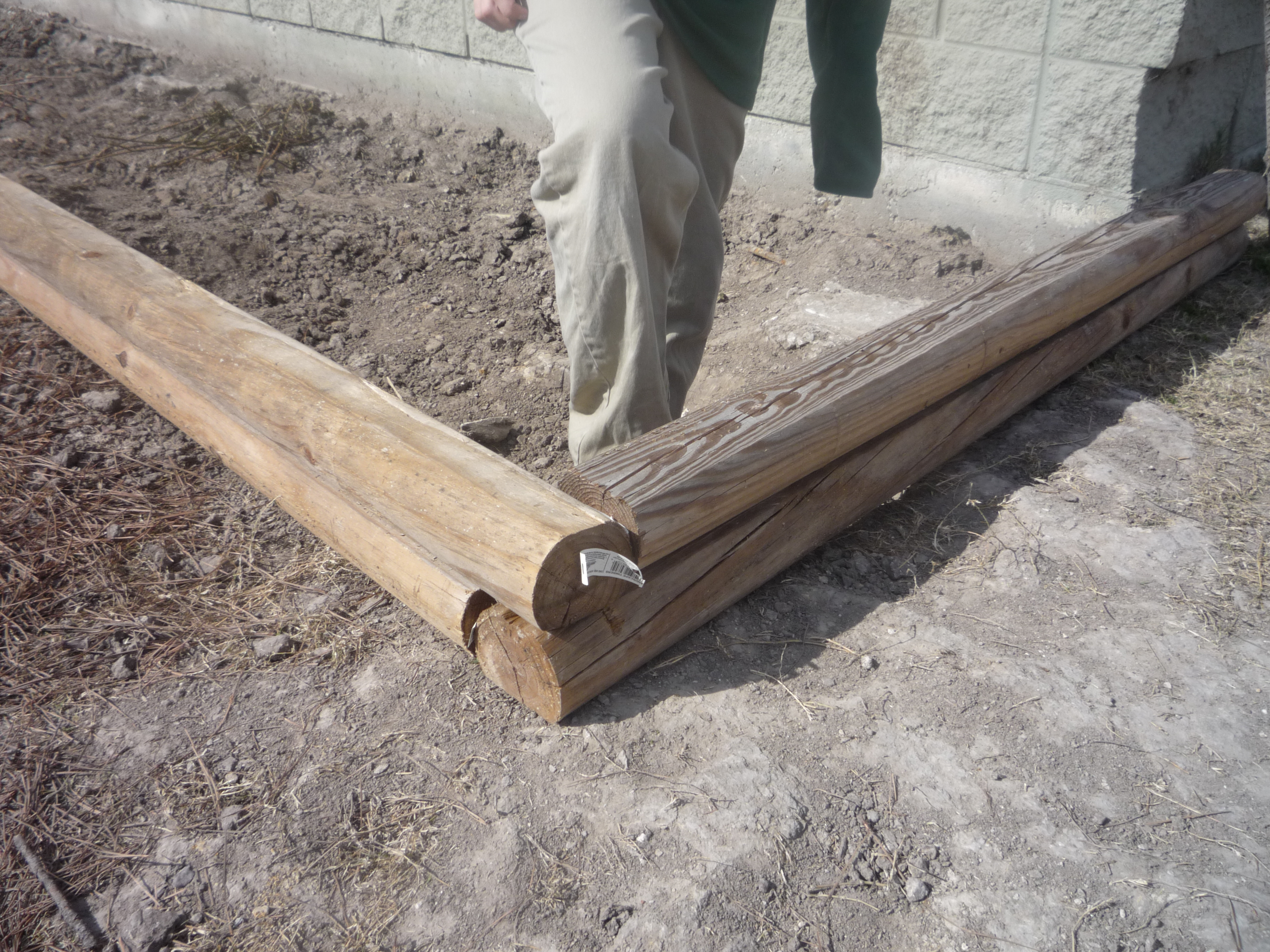
Word came from above that we would delay digging out the entire bed – we’ve gotten roughly halfway and for the moment, we will focus on planting trees.  We still have to put down some timbers to raise the depth of the bed.

With the timbers placed,

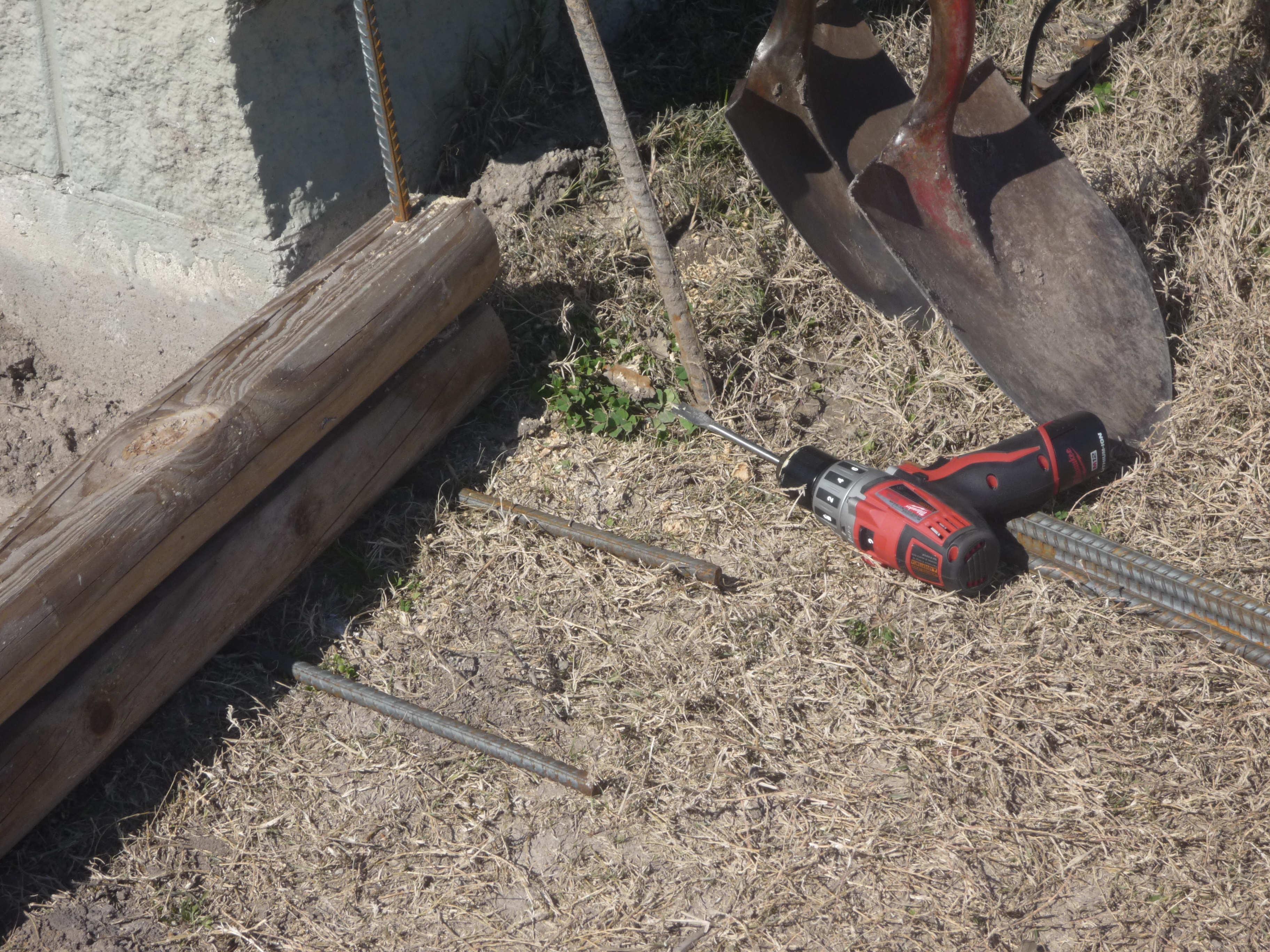
It’s time to start drilling holes for stakes.

I raised the stakes off the ground with rebar, then drill 1/2 in. holes through the timbers.  I’m relying on friction between the rebar and wood to keep the pieces together and minimize movement.  I’ll tell you how that brilliant decision turns out when the stakes get driven in.

For the bike, we finished spray painting all the parts and began the reassembly process.  As the kids ran out the door to lunch, this is what the bike looked like:

When this particular projects done, I’ll see what I can do to assemble some before and after shots.

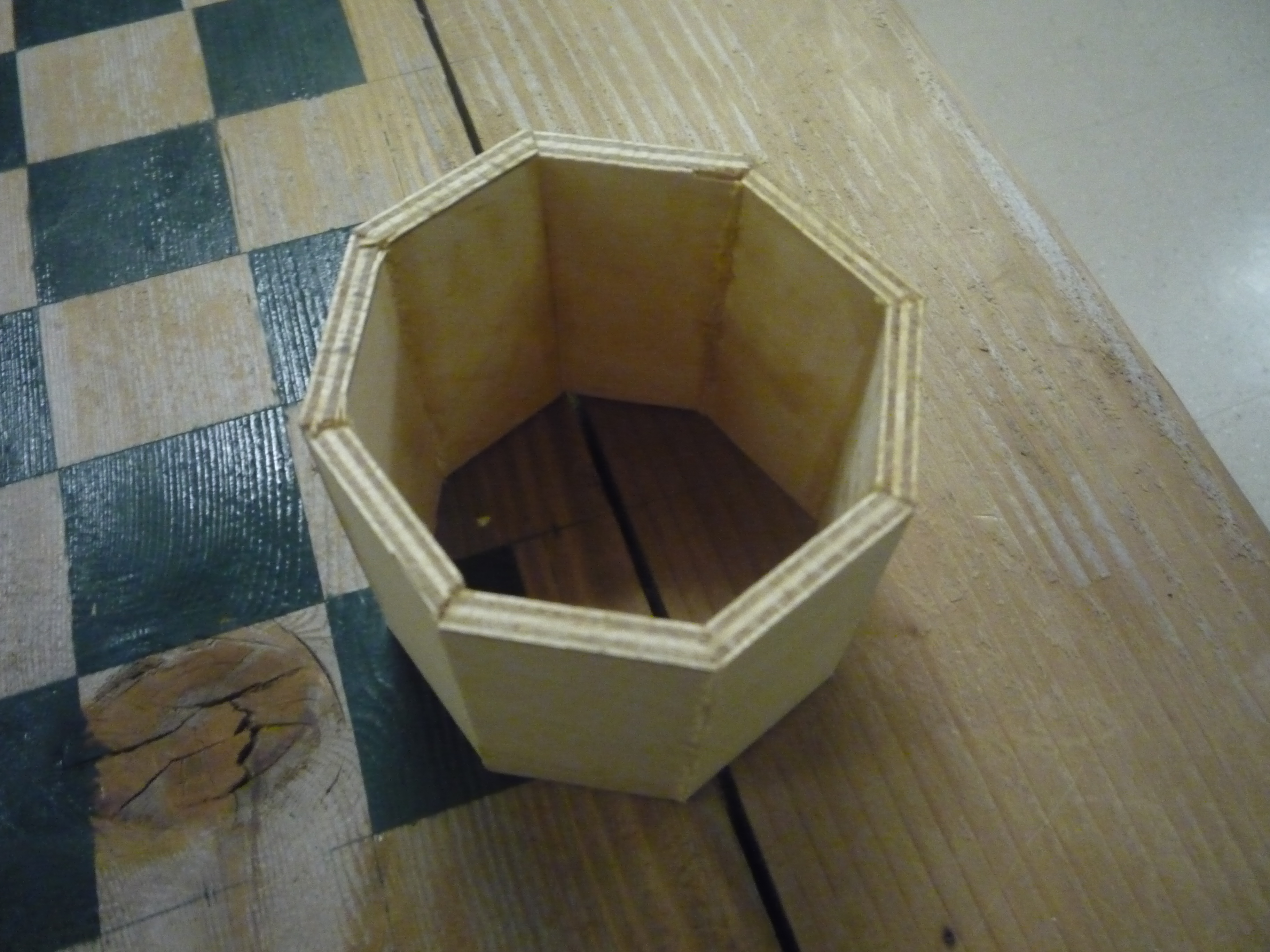
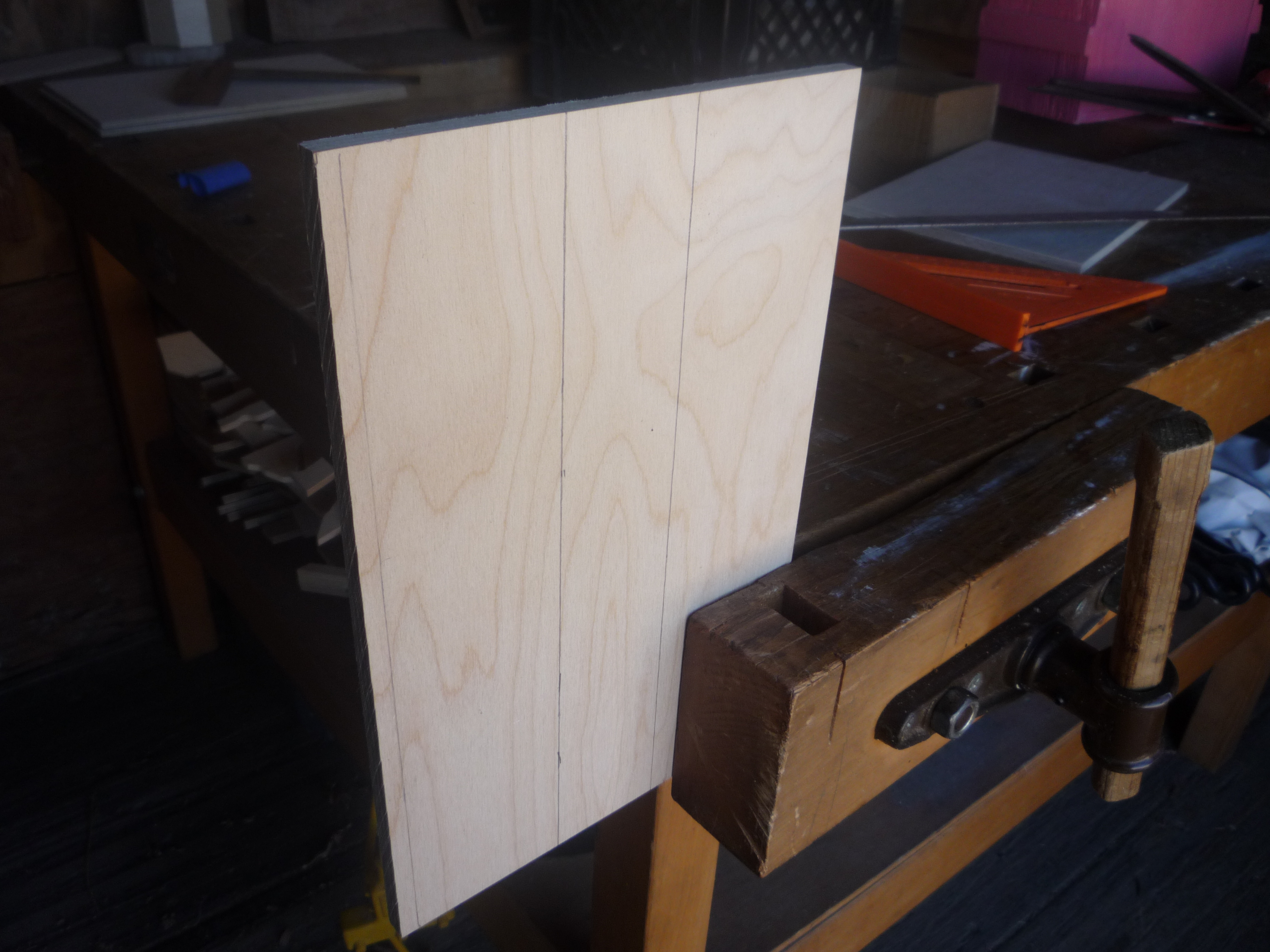
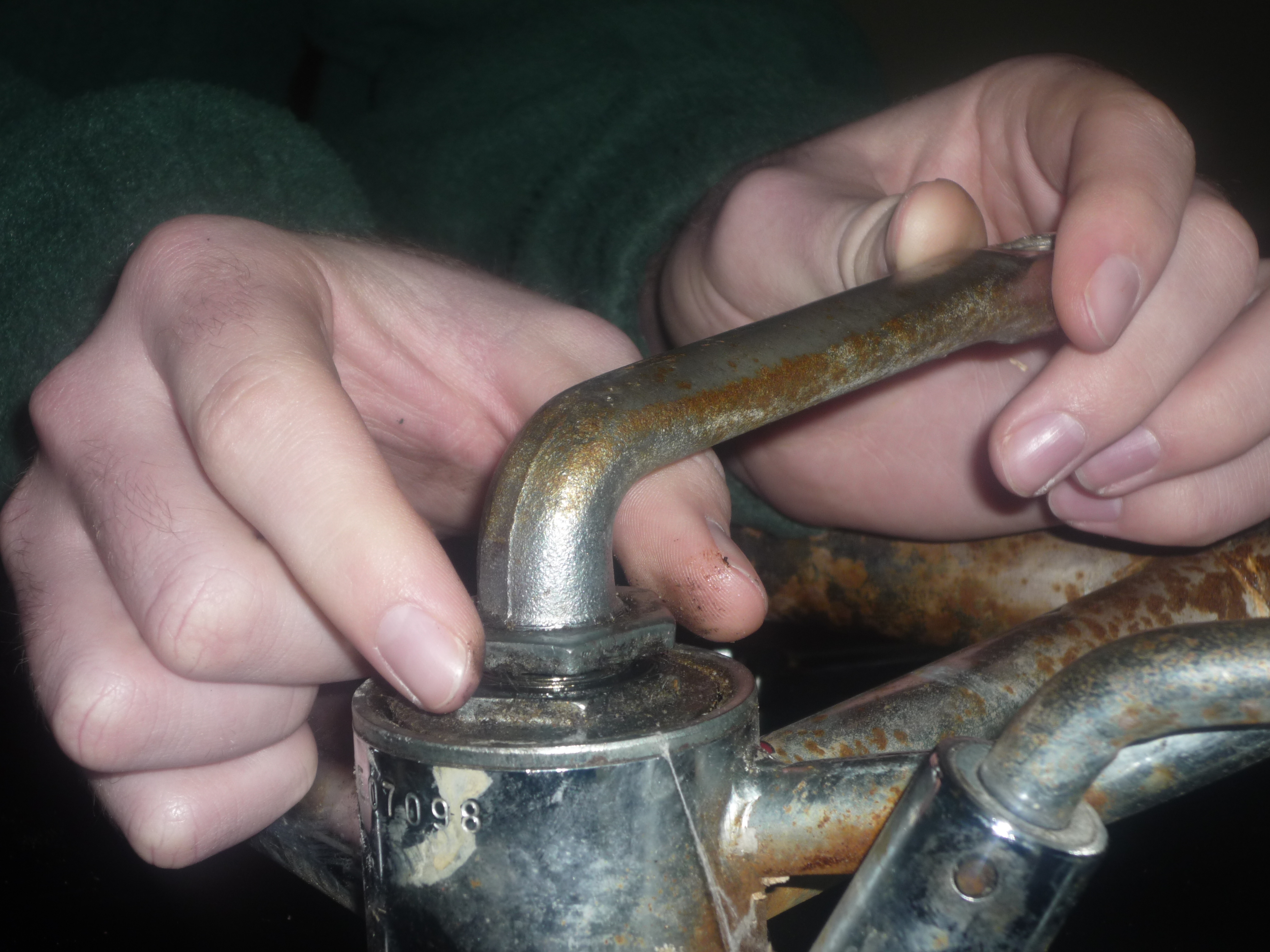
Last but not least, the Production class has  been experimenting with segmented tubes, or something.

The Production Co is working on building some awesomeness prototypes (I’m thinking lamp stands, stained a deep cherry red?).  We’ve failed completely at actually finishing some products for tomorrow’s Valentines/Rodeo sale, but hey, we tried.  Bad weather & the normal prototype issues got to us.

With that, make it safe and keep the rubber side down.

A Quick Thank You

Over this past week, I’ve been linked/promoted by WordPress’s “Freshly Pressed” page and www.makezine.com. I’ll be honest, I am completely stoked that Make’s Blog editors took me up on my suggestion. They do check that “Site Suggestion” box!

Anyways, thank you to the new visitors and I hope you stick around. Thanks to the new subscribers (hey, Dad!), I hope I justify your click.

Make safe and keep the rubber side down.

–Mr. Patrick


How To: Teach Sawing to a Young Student

I have a perfect record in the woodshop.  No fatalities.

I have had two injuries though this year (I average about one a quarter or semester).  Both happened due to good sawing habits gone bad.

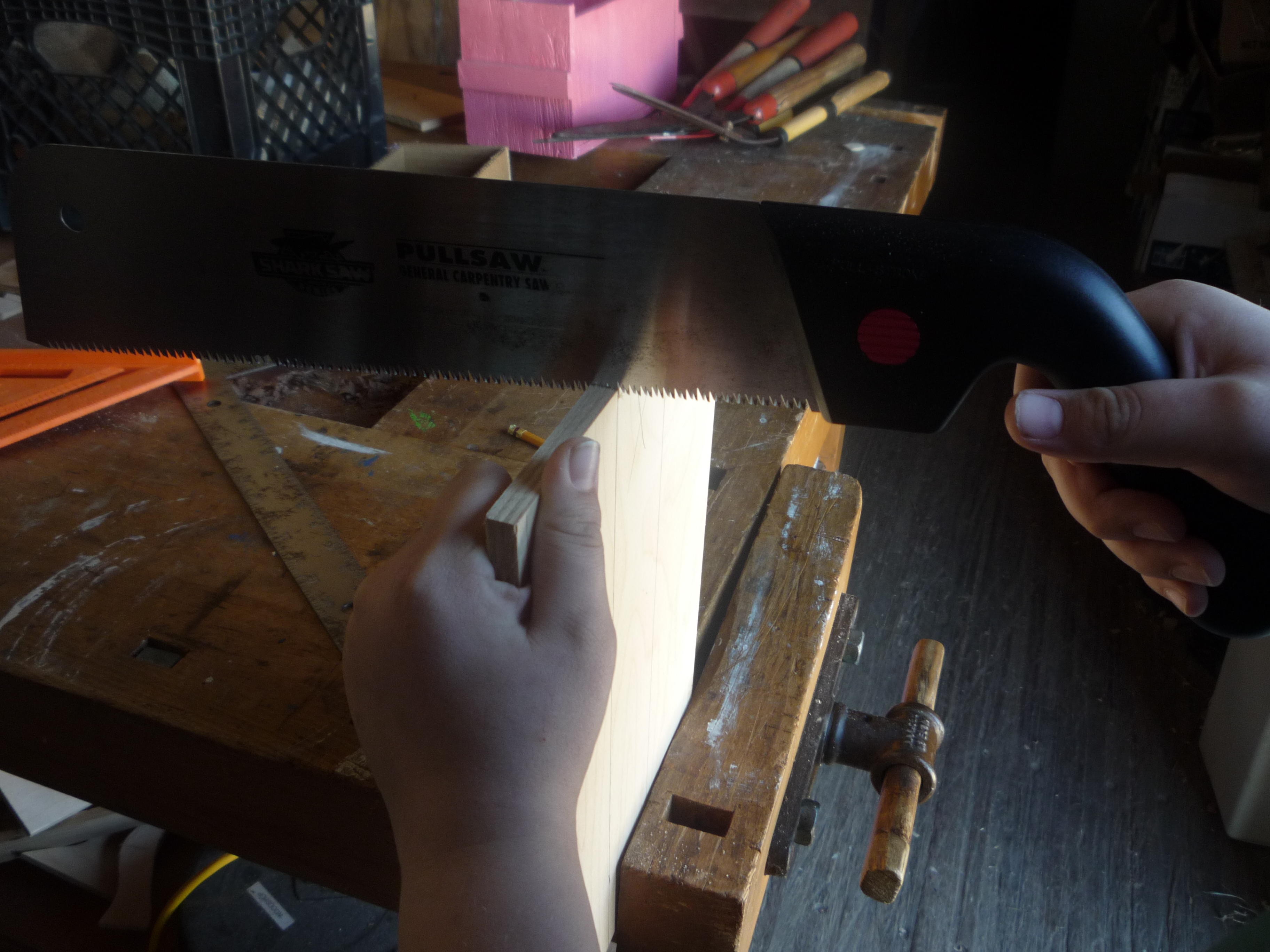
This picture shows my basic hand-saw set up when I cut a board to size.  I’m right-handed and for south-pawed students, I mirror the set up.
I would saw about an inch from the edge of the table.  Notice I use a bench hook to keep slips/movement to a minimum and pinch my thumb in so I don’t catch it on a saw (though I’m lazy with that index finger!).  I have the kids put their weight into their left hand to steady the workpiece.  I generally build the workbenches 30″-32″ high to accommodate younger statures.  I’ve never had a student cut themselves after setting themselves up like this, righty or lefty.

Trouble is, sometimes that’s not the most accessible way to hand-saw a board.  Small pieces for example, or a face-vise set-up in the left side of a bench like this necessitate a different technique:

Now pretend you’re a student.  You go to make this cut (a rip down the pencil mark) and the board naturally wiggles.  Remember how I teach to use the left hand to steady the work?  Well, my student’s see my “good” habits and this is their solution:

And so, midway through the cut, this happens:

And there goes the finger! Nurse! Nurse! We got a bleeder!

Both finger injuries have happened in this manner – a cut at the end of wood when the lumber is chucked/clamped down on the student’s strong-hand side.  I researched a bit and I’ve seen two ways to avoid this from happening.  One hand behind the back,

or the two-handed approach.

The one-handed technique is great for students to gain a “feel” for cutting the wood correctly.  A saw should glide through the wood with minimal downward pressure for the user – the saw does the work.  Long strokes produce cleaner and faster cuts than short strokes.  Move your body so your arm swings in a straight line in the direction of the cut (similar to a proper stroke of a pool cue actually).  I will (once I re-teach the safe way to saw during this cut!) ask the kids to try a one-handed approach to reinforce proper technique.  Then the students will  switch to a two-handed approach to gain speed.  Also, remember to teach how to re-adjust the placing of wood in the vise to minimize board movement, the original reason the second hand got involved in the first place.

So, a few things to remember when teaching woodworking to young students:

  • Different cuts, different set-ups must be taught as separate units.  Young people don’t gain adult-like abstraction skills until fifteen or so.  Young people’s brains haven’t developed those brain cells yet.  If you change the pattern, you must re-teach the technique.
  • Watch yourself first because monkey see, monkey do.  In this case, my habits in one environment (and the habits I ingrained in my students) did not translate to a successful skill when the situation changed.  Look at your habits and think about how those habits might affect the students’ thought patterns.
  • Re-evaluate and research your own skills – this is why I blog here, why I’m working on a Master’s in Ed, why I play in the woodshop on the weekends.  I can’t expect my students to be satisfied with the projects and level of production I see now.  I must plan for the future and improve my teaching toolkit.

Two sites which enlightened me on my quest to solve the sawed finger mystery:  http://woodworking-kids.com/ & Doug Stowe’s Wisdom of the Hands.

This Week in the Classroom: SNOW DAY!

It’s going to be a snow day in Houston! we canceled school two days early….

The last big piece of work I’ll do this week:

I can’t really explain this one.  Context is nothing when you have a big cow sculpture hanging out the back of your truck.  It’s like trying to explain missing homework to a grouchy teacher.  No story counts.

It’s thirty degrees out in the balmiest city I’ve ever lived in…had to macgyver this together:

And finally, I ran across this shot – a first try at a bullnose profile with a handplane.

I have a very interesting volunteer opportunity planned for Sat.  I will take pictures if it happens.  I first typed that sentence as:  If I’m lucky….it’ll be 40 degrees F and I’ll be digging in wet mud for three hours.  It could be thirty degrees!  Maybe a how-to-shovel expose?  The weather is making participation pretty dicey.  We’ll see.

Last but not least, some cool news:

Make Magazine will be doing a “woodworking skills showcase” over the next few weeks.  They will be going over the basics in woodworking, so many of us will be experts.  But if you are interested in something creative other than woodworking, you ought to check the site out – and leave a few nice comments for the nOObs with soldering irons.  It’s a cool mag.

This Week In the Classroom: Computers Ain’t Everything

Took over our conference room to work through some design challenges today.  My students used Google SketchUp to start creating jewelry boxes, art car vehicles and bookshelves.

During the Art Car class, I led the group building a 3D model on the big (like 50-60″ screen) TV.  Computers+big screen TV+3d modeling software+we are building a car =  interested, motivated students.  Or so I thought.  I turn around, two students are asleep.

I have only three kids on the dang project.   Terrible numbers.  Mendoza line terrible.

I quickly got out the sketchbooks and pencils.  More success, more interaction.

So, what I remembered and learned again the hard way  today – the project material supply (in this case, laptops w/ the programs added to it)  has to match the student’s learning styles (one-on-one direct involvement is the only way) and interest.   Sometimes, this is hard to make happen.  Like in a science lab.

A science lab means 4 (5 kids/project?) to 15 (dyads) to 25 (each kid gets an experiment) per class.  If an average middle school science teacher has 100 or so students, and there is two to three science teachers per grade, we are talking about an enormous amount of dead frogs for a biology lab.  I like to run a “bridge to nowhere” contest where students build bridges from packs of 50, 100 and 150 craft sticks.  If I did that in a large student population (100 students paired up), I would end up with 5 boxes of 1000count sticks, enough hot-glue to cover that (who knows that amount…) and the tool cost of 10-15 glue guns.  It’s an investment closer to $50 to $100 a learning cycle.  And that’s a cheap lab.  You really don’t want to know the cost of a dead frog.  So instead of engaging a students ability to learn with their hands or observation of real world phenomena, only students who learn best by textbook will be served.  Or rather – only those students who learn by lecture, reading text and maybe watching movies will be best served. Tactile, kinesthetic learners like my students are out of luck.

One of my students will build a bookshelf from pine this semester: $40 of pine.  1 student.  If I had more kids, could my school keep an educational woodshop/environmental science/art class operating (three teacher’s salary + benefits, supplies, tools, space/housing costs and insurance)?  We have a budget for my program, and it’s HUGE to me.  I’m very, very, very grateful for it.  Because I remember the budget for my last job: $80 a semester.  If my schoolteachers had an operating budget like that, it’s little wonder why my inner-city, low-income students never had a single science lab.  How could they?  80 bucks and 100 students won’t even get each student a candy bar.  I think for all the uproar over how science education and creative arts have left the modern education system, we should also remember one reason why we lost them first: they are expensive.

Computer labs seem to have taken over as creative arts labs.  Computers represent a smaller 5-yr investment than a woodshop.  Many educational leaders get blinded by the screen and think computers can  replace true tactile learning.  Computers don’t replace it.  The two asleep students refused to even try the CAD program – it’s why they did pen-and-paper sketch work.

So,  to sum up.  Support your creative, tactile arts teachers if you still got’m.  Get’m some paint.  Throw a 2×4 my way.  I won’t say no.

And remember to bring enough computers to keep everyone involved in your third period class.  And some paper and pens.

This Week In the Shop: Internet as a “Presentation”

An Idea: have students present projects to the internet in a controlled, safe way with my school’s brand on it.  I’m unsure the success or necessity of this particular brand of teacher-activism because it’s mainly driven by my need to go

HOW COOL IS THAT!

If I could spend half my day yelling “how cool is that” out loud, I would.  The picture, by the way,  is an edited version of the toolbox project which I showed off on this post.  My students have been learning CAD (and practicing spatial math skills) and the model is what one came up with (the toolbox builder, actually).  I just slapped some fancy coloring and styling to it last Fri.

At the end of this week, I plan on walking the group through these steps and uploading the finished toolbox to Google’s 3D Warehouse as a final “presentation”.  No names will be used and other precautions will be taken to protect the students, but at some point I have to ask why?  Why do it at all?

I answer with same thing my fiction teacher said the first day of his class:  if you write and do not wish to share, you are not a writer – you are a diarist. 

As a woodworker, teacher, writer, father and any of those things, I still believe he had it right:  In order to be an artist, you must share it with the community.  In my workshop, my students do not create only for themselves and their own (my own, who cares which) gratification, but for the consideration of the community as a whole.

This Week in the Classroom: Quality from a Student

Finished only one true project this week in the shop.  Instead of trying to complete projects with the students, I slowed down and tried to focus on the journey, and focus on quality.  What does it look like in my shop, and do I  facilitate it, or do my students discover it for themselves?  What does that excellence look like?  What qualities does it have so I can hopefully repeat it, scale it and explain it?

First – basic skills.  I had two demonstrations of excellent basic skills.  This happened early Monday morning, a harbinger of things

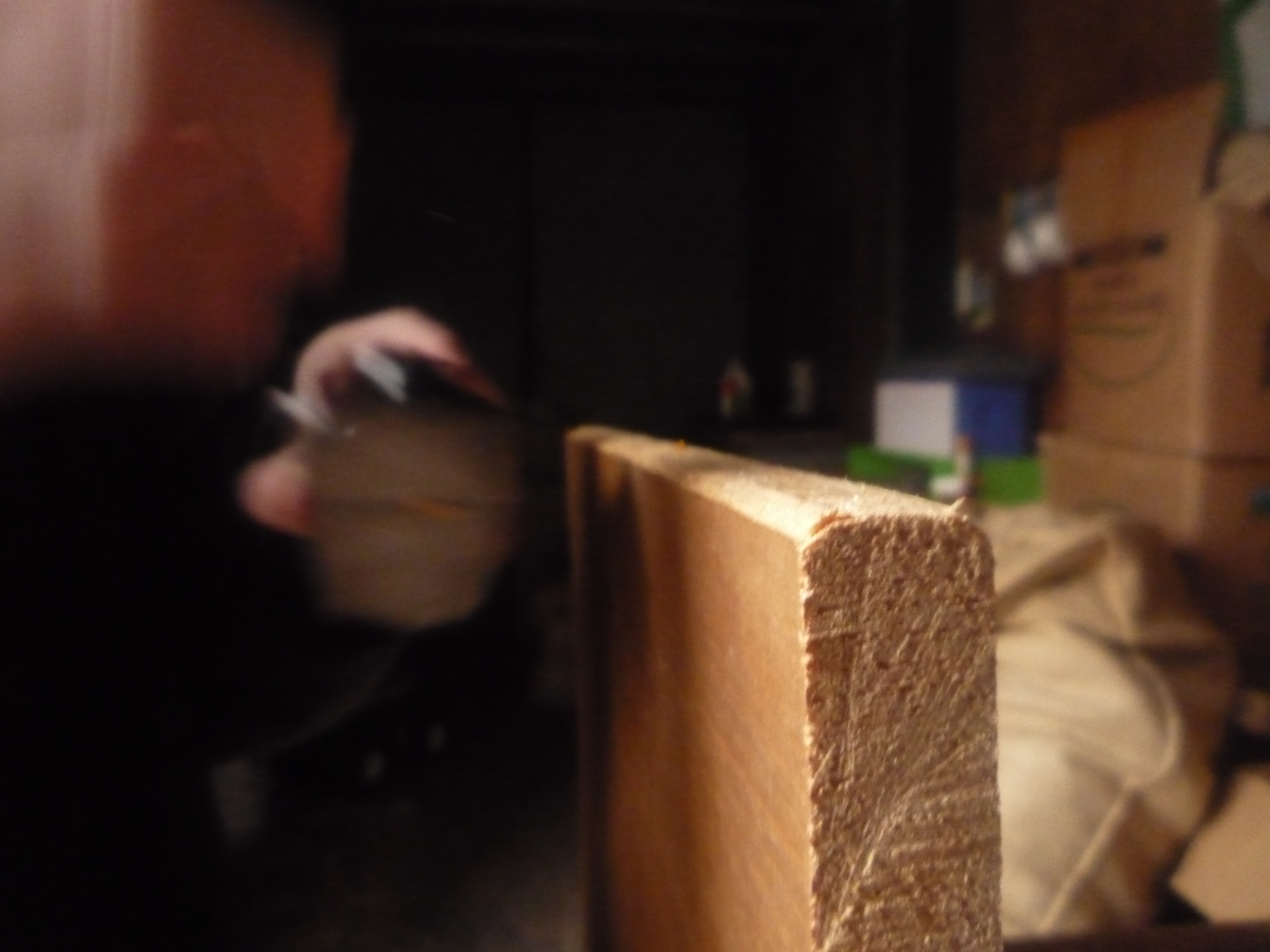
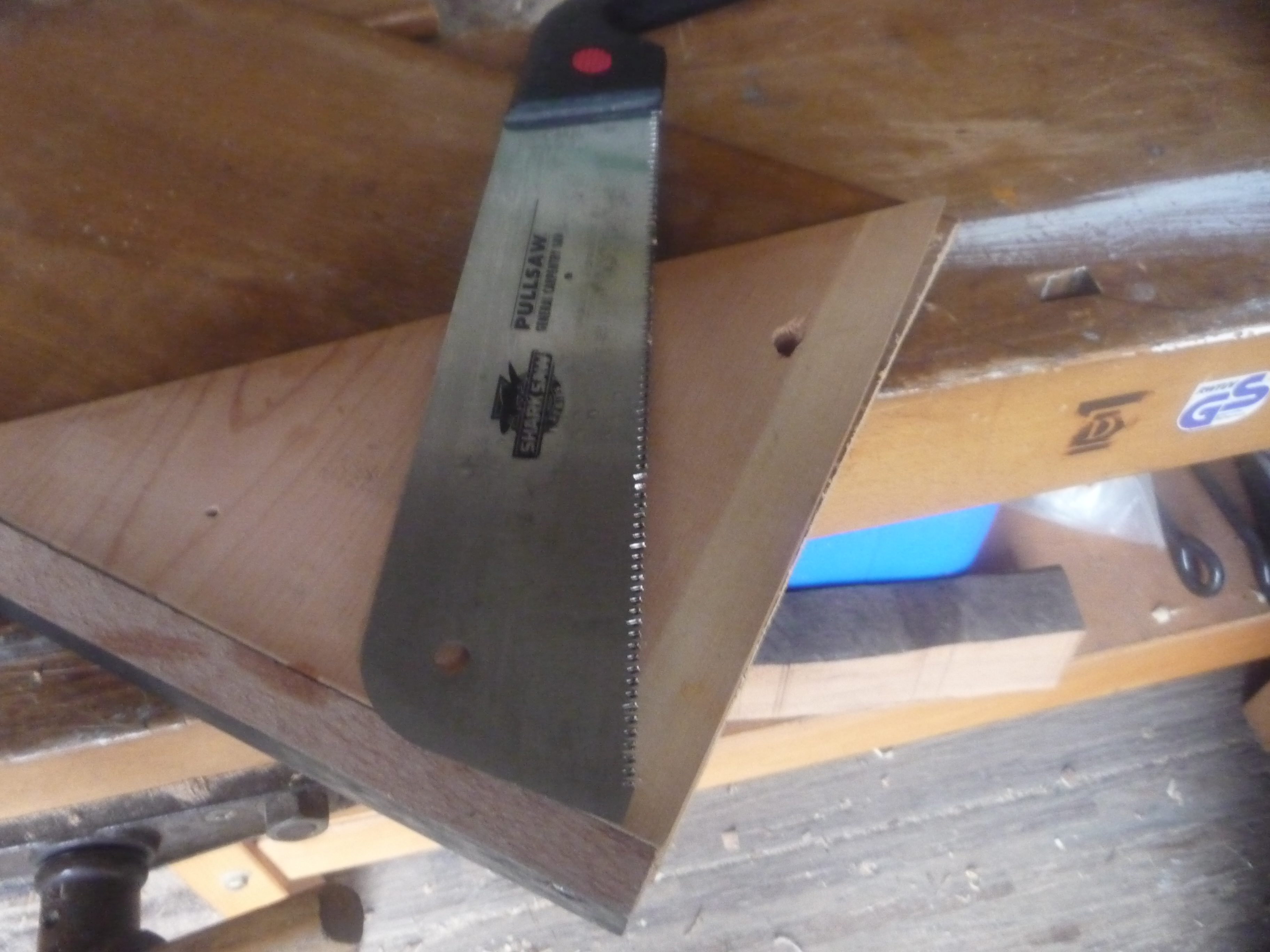
A square cut – that’s all.  My student and I chucked this into the vise, put a line around it with pencil and I told him to keep it to the right.  And keep that line he did – all the way to the end of the cut when he got a little excited and veered right.  I had to put the home-made framing square to see the results – he got pretty close to square, and kept within a 1/8th of the line throughout the cut.  This is quality.  And since I, the teacher, had to set this cut up to be so successful, I know it’s quality teaching too.

When a student gets more independent, that line seems to get blurrier and blurrier – just how much error is a result of bad teaching or the result of lack of practice or lack of skill/coordination?  When a a top student can produce this by hand:

What do I say to the student who’s heart makes for a poetic treatise on the misshapen and pitiful creature that love is in this modern world?  Did I fail to set that student up the same way this student was set up?  Or is it lack of practice?  Lack of practice for the particular student?  Wrong technique taught to the student?  I’m not looking for a specific answer for this problem.  I’m thinking in more general terms:  this piece is an obvious A, but what does a C look like?  Are letter grades even necessary?

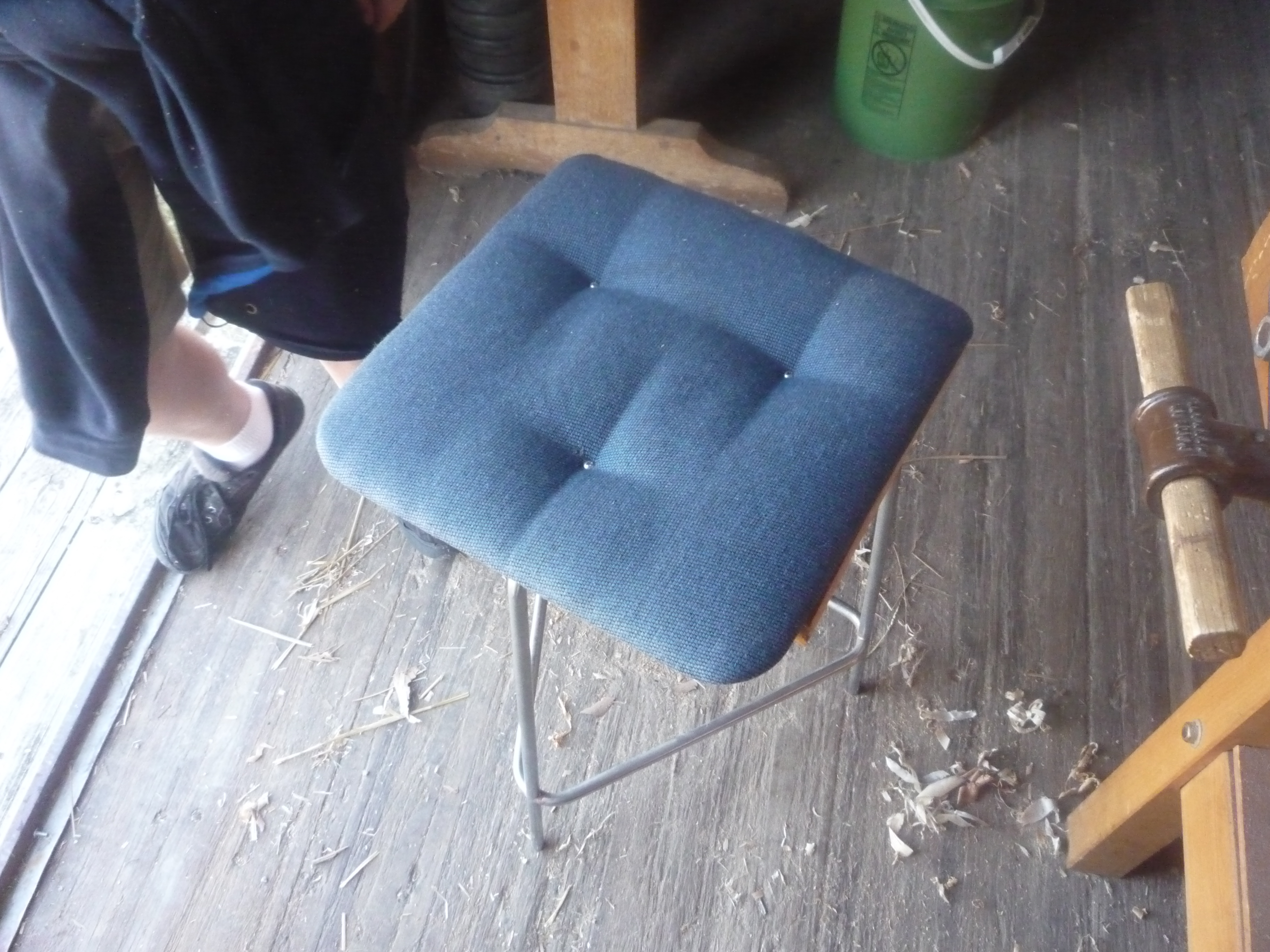
In completed projects, the game is even more confusing.  The shop refurbished two stools this week.  The second looked like this:

Which is pretty cute, but on a scale of 1 to simple, this project is dead simple.  Attach seat from broken chair to bottom of other broken chair.  The execution here works, but if a student did this (I used it as a skill builder, not a design/make project) I wouldn’t give more than a B because of the difficulty.  A simple project that deserves an A should look like this:

Meaning the project have style, precision and expands a students skill set.  This clock is simply a block of wood with a movement attached.  Attaching the movement correctly took some very, very accurate and precise fitting.  The student learned to use a chisel, a very sharp chisel (nearly taking chunks out of my watchful face every three seconds, he needs more practice).  The final product is a A for appearance, C on complexity and A for the “execution”, or how well he did in shop (I don’t often give grades, this is more for me to know if a project is a successful learning tools).  What do I put on the paper at the end of the day?

I’m going to return to this idea:  what is quality in the woodshop?  I will not re-read Zen and the Art of Motorcycle Maintenance although the main character suffers a nervous breakdown in Montana grappling with that question.  I’m just going to think on it in the shop next week –

This Week In the Classroom: New Tools and Old Tools In the Shop (It’s Not What You Think)

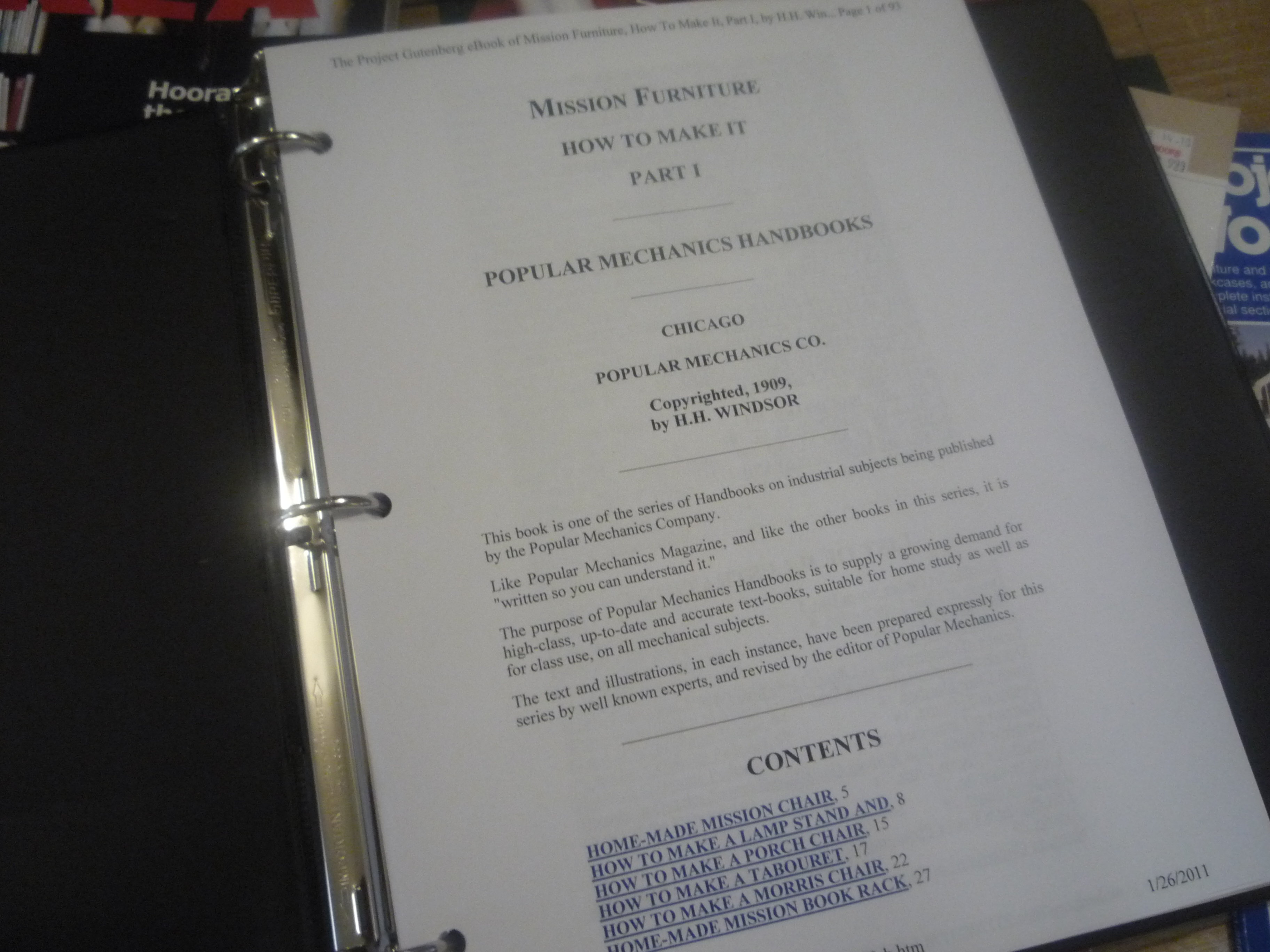
Just got the best new, free tool in the woodshop today.  It looks like this:

It’s a printed out (thank god the paper-waster nazi wasn’t around) version of the ENTIRE trilogy of Mission Furniture and How to Make It published by Project Gutenberg via Popular Mechanics from 1910.  The students flip through it and find examples of furniture they like.  Mission furniture has a good chance of becoming my “house” style.  It’s a book of dreams, I tell you.

This is a photo of our lumber processing center mid-process.  We bring in old lumber, this case a pallet, and set kids upon it to mash and take apart, hopefully without losing an eye , thumb or brain protection while throwing out the nails.  I’m highlighting this because it’s a work station – an independent work-station at that.  Our students can engage and disengage at their own pace, something many teachers do not allow for in their classrooms.  We don’t allow for disengagement because our lessons don’t incorporate a student’s tendency to disengage from the learning at hand to recharge their brains, social batteries, etc.

How many lectures have you attended in college when you zoned out and missed a crucial fact or turning point in the discussion?  For my students, verbal instruction and “normal” lesson plan structure hold very little interest for them – the level of energy it takes to engage a teacher in a lecture setting or traditional academic setting is too much.  They disengage.  The independent work station allows this to happen.  When I taught writing, I would use different prompts in the rooms and a rotation schedule.  Students needed to get five prompts done throughout six or seven stations.  The missed stations allowed room for a student’s disengagement.

What about during math class when your “independent” practice becomes frustrating because you don’t know if you have the right answer?In math, the right answer doesn’t jump off a student’s page and announces itself.   Efficiency during gratifying hands-on projects does.  This station allows an independent exploration of the nail-pulling task.  And when I tie it into other stations (salvaged lumber storage, nail pulling station, cleaned lumber storage, milling station, saw/drill area, assembly area and finishing room) you better believe the kids see the progression and relevance of their work.

Hope you can use this in your classroom – at least check out the gutenberg site, its chock full of cool, free books.  (look to Australia’s version for Hemingway, Fitzgerald and Lovecraft.)

This Week In the Classroom: Progress in 2011

What a  student-driven,  project-based learning  can result in:

The joints look remarkably tight in this photo, and the stain quite even, but don’t be fooled.  This is about as rough as work gets.  (Not including the Clock, which may be finished and rejected this week…)   It was the first attempt at an entire project like this by the student.  He cut the wood from the original 1×11, sanded the parts to his specifications, measured and attached the handle without major intervention by the teacher.  Pretty darn good for a nine-year old.

Here’s the first piece of “indoor quality”, or rather, “furniture quality”, maybe just “quality”, furniture to come out of my work’s woodshop this year:

This project has been incubating for three to four months now.  It has been delayed by homework, lack of schoolwork, wind, fire and holidays. It’s made of completely recycled or found wood.  He used a jigsaw to cut the plywood and you can watch his cuts get straighter and straighter throughout the piece (we didn’t use a saw guide, something which will be made when the transition to a real space happens.  We used an pnuematic nailer to tack everything in place.  A quick sand job and she’s ready to go.

Next time, I’ll be looking at rounding over every exposed edge with a small router or router plane and finding a technique which promotes better-quality painting.  Last but not least – more practice for my students with the jigsaw.  Practice in woodworking can be in short supply (you have to have scrap wood, time and a project you can mess up on) – but maybe I can figure out a useful way to get my kids more reps at the jig.

I think a close up of those mitered moldings is in order:

Mmmmmm-hmmmmm, that looks like a good corner.  That made my week right there.

Some days I must remind myself: embrace the process.  Both of these projects suffered setbacks which took away from the quality or timeliness  of the final product.  But from a student-centered perspective, the journey (and its completion) became the real” products”.  It’s not my job to produce products, portfolios, grades or the score on a test written and concieved by educational bureaucrats and slick-haired politicians.

I produce journeys.

This Week In the Classroom: Curriculum Plan for Spring of 2011

Good week for struggles and not-quite-there-yets in the woodshop this week.  Three projects left the floor complete.  The first, chalkboard that has been wind-blown, vandalized and otherwise destroyed three times.  We’ll see if it sticks this time.

The other two projects I failed to take a picture of.  On Mon or Tues, I’ll put up a picture of those two projects.


I spent a majority of my time this week networking with the community-at-large and negotiating class objectives with other teachers.  I have a few interesting classes being put together:

Two Art Car themed classes. One focuses on building a parade float, the other will design bicycle-based alternative transportation (think trikes, scooters and quad-cycles).

Working on the Homies.  A home-improvement themed class for adults with neurological differences to gain skills and confidence in home-care.  I hope film some work done by the students to use as a home-improvement show assignment.

Environmental Maintainability. The academic objectives for this class is to learn about and how to maintain the man-sculpted environment of the school.  We have thirty trees to plant over the next few weeks, and about twice that number to water.  I won’t have enough time to do it all, but we’ll try.

A woodshop production class & a woodshop master class.  The main difference between these two classes will be the driving force of the projects.  Masterclass students choose their work within skill level, production students produce what the student business classes need them to.

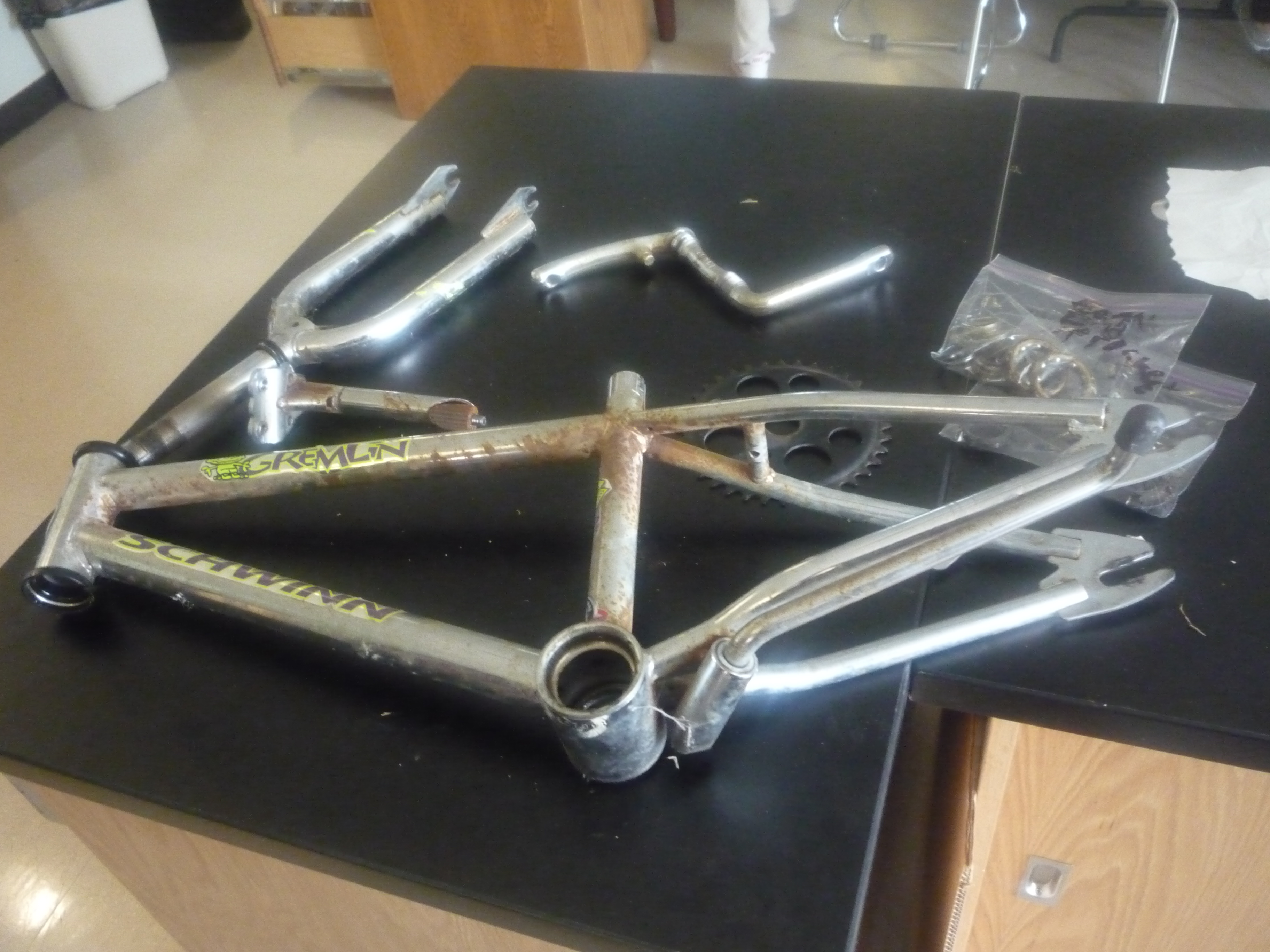
A pair of great photos from the Art Car classes – this is a bike we’ve stripped down and will repaint as preparation for the real thing in the spring:

And this photo which reminds me of Doug Stowe’s blog, Wisdom of the Hands.  He was quoted in a recent Globe article. Stowe’s  hand-centric teaching/creative-arts view fascinates me.  I look at the same arguments and studies and come away with lack of a problem-solving skills.  For example, he recently highlighted a study showing that concert pianists use less brain cells to play as their playing ability improves.  As Stowe puts it, “In other words, when we develop hand skills, not only are we able to perform those skills with less attention, more processing power is made available for the advancement of further skills.”  I see it differently – the ability to use less neurons in the action means more neurons are involved in the problem-solving.  A concert pianist has an audience because they engage a piece of music at a level unknown to amateur pianists.  A craftsman deals less and less with the mechanics of construction and more with the problems inherent in construction  – once a painter masters the physical motions to create shades, brides and smudges, only then can they engage in art.  My work tends to highlight the problem-solving opportunities rather than focus on the skills in the hands

Check out Stowe’s site – I find it a great read and have learned a ton.