Check Out the Shutter Table Project on Recyclart.org

Recyclart.org is a site dedicating to showing off recycled and salvaged projects from readers around the world.  If you’ve followed WodoshopCowboy for a while, you know I make the most of the Houston ReUse Warehouse’s offerings.  Here’s another shot at how my boys and I used louvered shutters and fence posts to create some pretty sweet little coffee tables last semester.  Check it out there or at the original post here...

Remember to make it safe, keep the rubberside down this week and like WoodshopCowboy on Facebook!

This Week in the Shop: Put Your Legs Up On A Little Something (It’s a Stool)

When my grandfather asked for a footstool, I obliged.  He’s one of those elder individuals with a he once built a school with his bare hands and then sent his kids across the ocean to come to this land and earn their fortune type of stories.  Which means if he asks for a stool, show some respect.  Do it right, show some joinery skills.

This slideshow requires JavaScript.

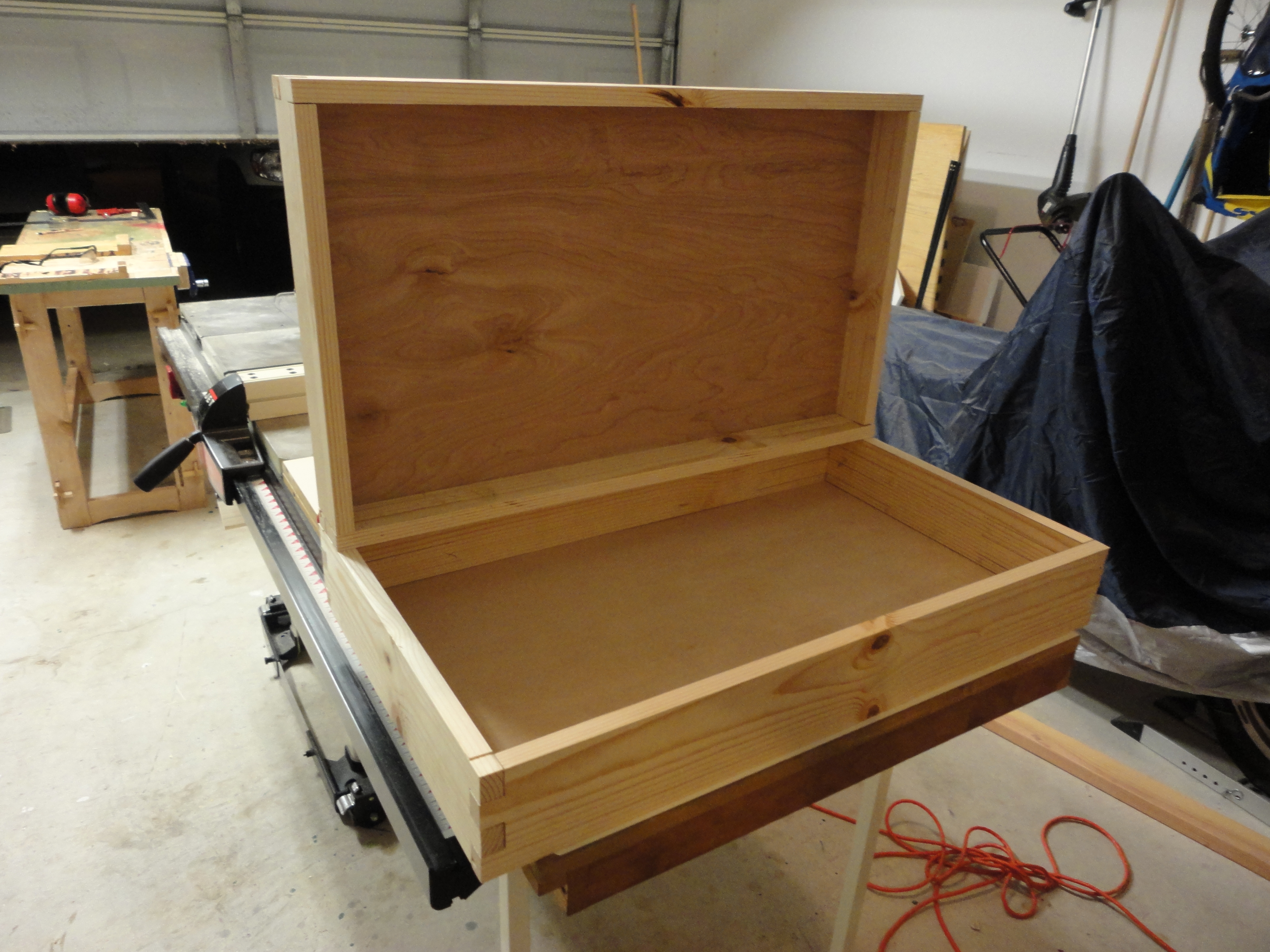
Hand cut box joints.  I’m not completely there yet, but the joints are getting tighter overall.  The crossbeams give it rock solid marks.  Finished by urethane and the air sprayer.  The method sure uses a lot of spray, but man, it gets the job done in about ten minutes tops.

Make it safe & keep the rubberside down.  If you enjoy this blog, could you like WoodshopCowboy on Facebook?  You might even get a Simple Tea Box!

Why I Do This: Well-Being

This is why my school approaches the whole child, stressing social connections for students with neurological differences as well as academics.  You can’t have one without the other as an adult.  Having approached my students like this for three years, I know this:  I won’t teach any other way anymore.

A study published this week in the Journal of Happiness Studies shows how children and adolescents get this well-being as adults.

In short, social connectedness massively overwhelms academic achievement.

The study mined 32 years of data from the New Zealand Dunedin Multidisciplinary Health and Development Study, which followed about 1,000 people from birth to adulthood. About every three years, the study measured nearly every psychosocial goodie you can imagine, including measures of attachment to parents and peers, self-perceived strengths, socioeconomics, club and group participation, language development and academic achievement (among many others). At age 32, the study measured well-being.

Surprisingly, though psychologists have spent careers asking what in childhood leads to bad stuff like psychopathologies, nobody had asked what in childhood leads to good stuff like well-being. Authors Ollson, Nada-Raja, Williams and McGee changed that. (Note: the fourth author’s first name is Rob – apparently feeling good is not, in fact, good enough for Bobby McGee.)

The factor that most pointed toward adult well-being was social connectedness as an adolescent (0.62 correlation, if you’re into that sort of thing). Academic achievement was a much weaker predictor of adult well-being, at 0.12.

via 32-Year Study Shows How Geeky Kids Become Happy Adults | GeekDad | Wired.com.

Make it safe & keep the rubberside down.  And remember to like WoodshopCowboy on Facebook!

This Week in the Classroom: The Poor Man’s Tripod (For Taking Panoramic Outdoor Pictures)

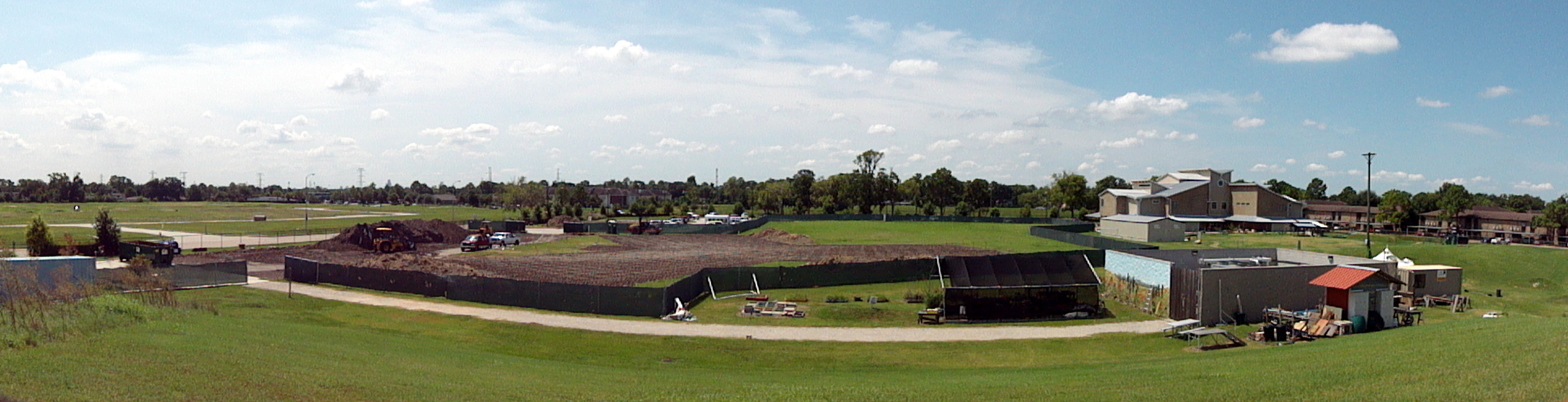
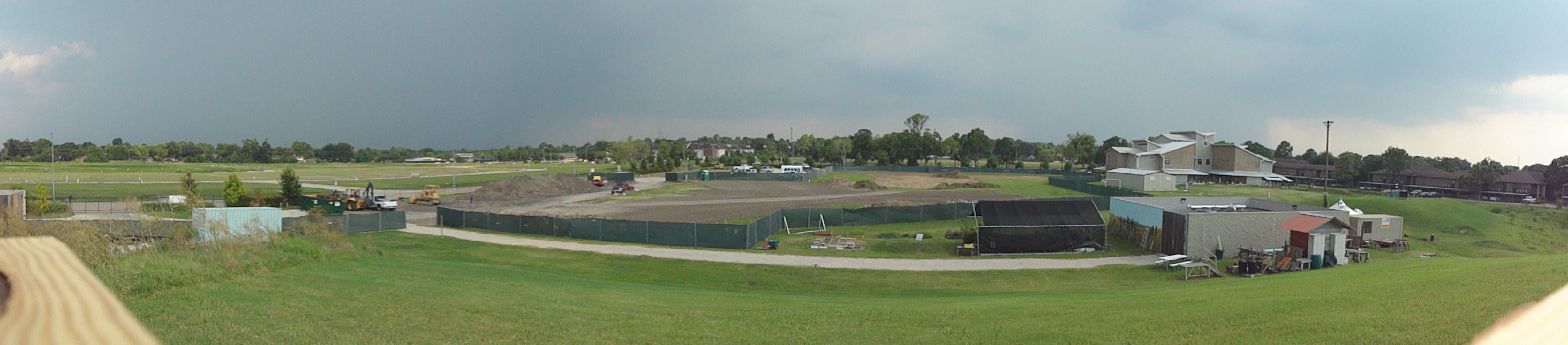
My school is undergoing a little bit of construction…and by a little bit, I mean a cool of five mil of construction.  We just needed a little documentation of the facts.

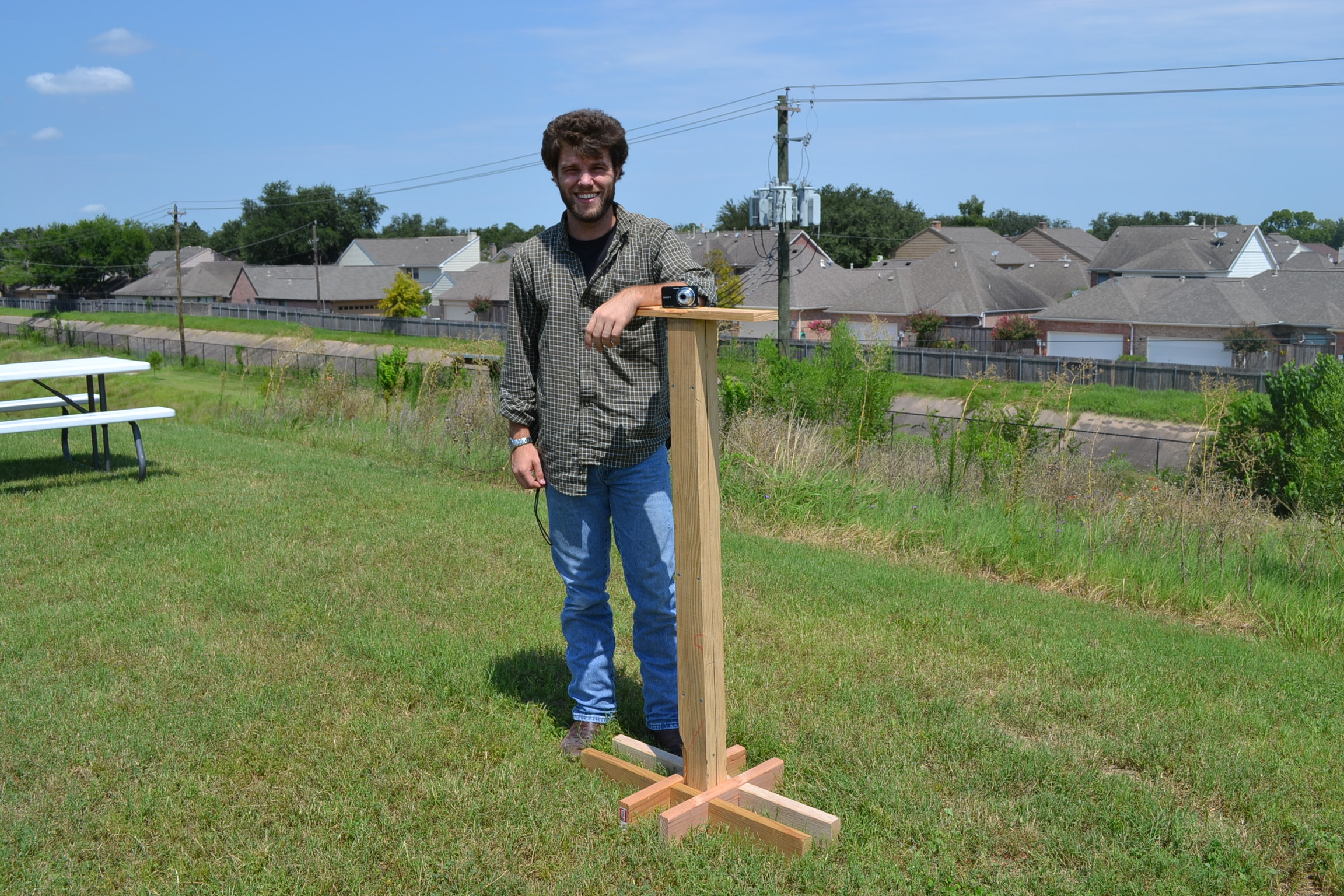
I’m going to use this photography stand (and yes, I walked around with my shirt like that all day)…

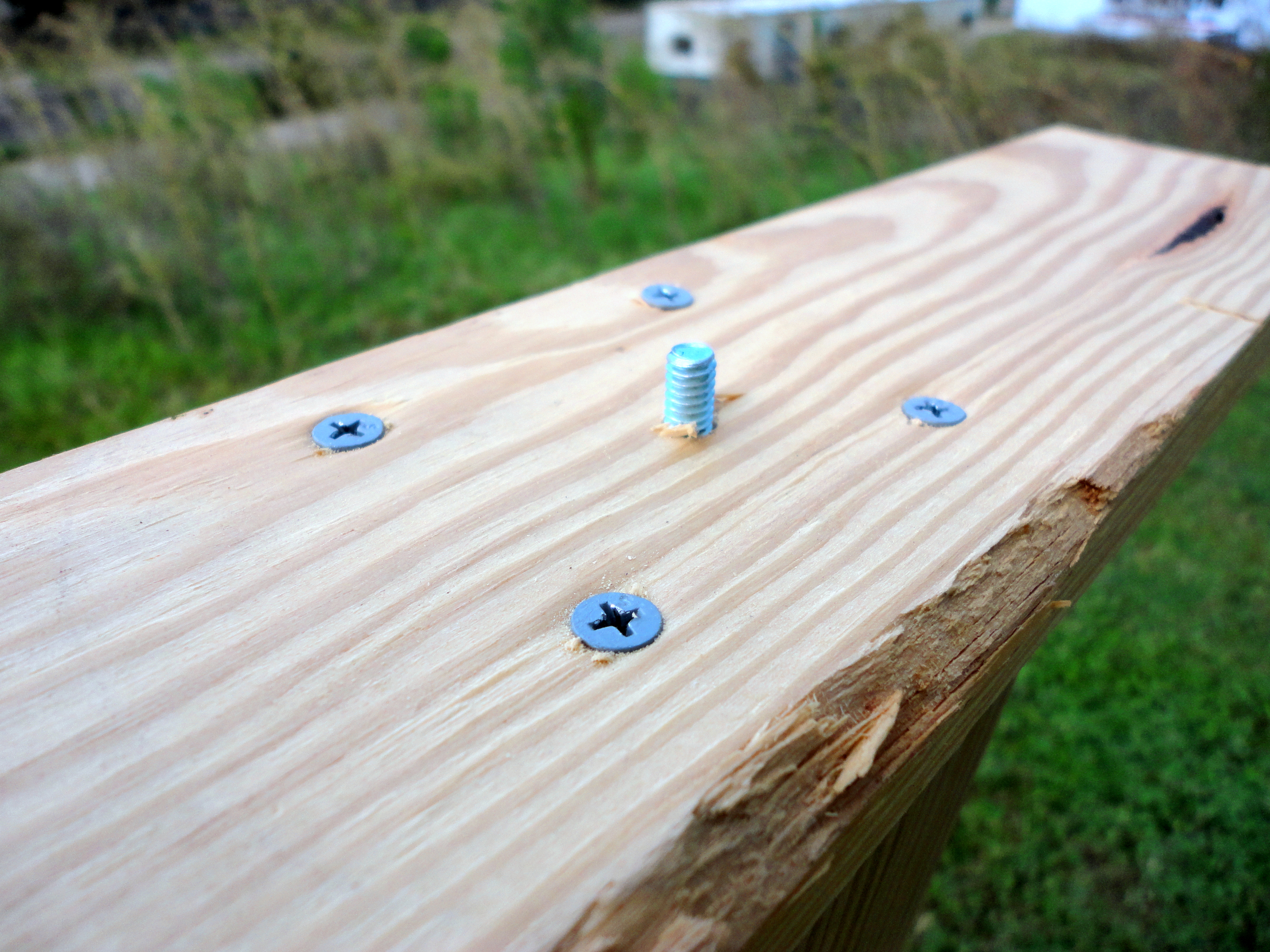
I put a 1/4 coarse threaded bolt through a board, flipped it around and stuck it into the post.  You can see the crossbeams at the bottom giving the piece a little stability.

…and the results are pretty spectacular.

Make it safe & keep the rubberside down this week.  Remember to like WoodshopCowboy on Facebook.  At thirty likes, I’m making & giving away the Tea Box!

Why I Do This: Invest in Teaching and the Return on Adventure

I think we need a new measurement for tracking the success of our maker ventures, a new yardstick. I propose “Return on Adventure”

via MAKE | Maximizing Your ROA (Return on Adventure).

There’s been much discussion of the value, in dollars and sense, of a good teacher,

via What is a Good Teacher Worth? – NYTimes.com.

I’m a builder of things.  As a child, I built models and dioramas and train sets and miniatures.  In college I built poetry and plays, papers and rhymes.  I built a piss-poor set of ethics also, but that’s a different post.  Now, I build furniture at  home and students in  my classroom.

I don’t do any of these things because they are good monetary investments.  I can make more money as an engineer than a teacher, I can buy better furniture than what I can make (though the difference grows smaller every day). Shakespeare’s a better writer than I’ll ever be.  I’m no Mitch Albom and I won’t sell schlock.  I can even buy those minis painted.  The ROI (return on investment) of my time in teaching, in creation, in living, seems to so little.

Back to the classroom.  Project-based learning doesn’t always translate into standardized, multiple choice test answers, the currency of our American educational system.  There’s no box which represents critical thinking skills, no box for the slow sweet confidence which comes with being able to use tools well, no box to check for smiling, no box to check if a student becomes a more competent, ethical, compassionate human being.  At times, project-based learning looks like it provides a lower ROI in a multiple-choice test.  Why even attempt it?  Just drill-and-kill.  It’ll get you there cheaper.

Which is probably another, different blog and/or post.  I’m a lucky teacher.  I can preach and practice, practice and preach what I love: project-based learning makes a difference in student’s lives, not only because it is an effective teaching practice, but because it provides something more than a simple ROI.  Project-based curriculum creates learners, not widgets.  Project-based learning gives high ROA.

ROA: Return on Adventure.

Make it safe & keep the rubberside down this weekend.

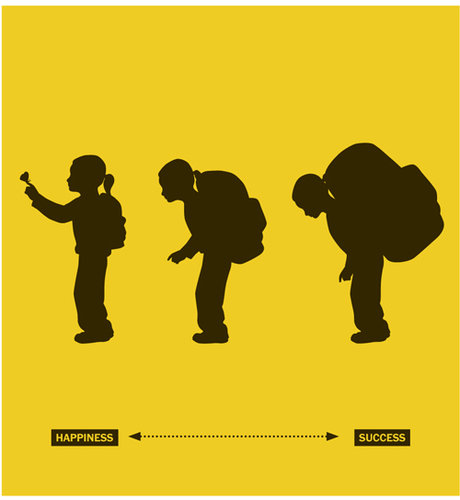
The High Cost of Winning the Educational Race

Interesting review in the New York Times today on parenting.  Take a look…

‘Teach Your Children Well,’ by Madeline Levine - NYTimes.com

After all, as Levine notes, the inconvenient truth remains that not every child can be shaped and accelerated into Harvard material. But all kids can have their spirits broken, depression induced and anxiety stoked by too much stress, too little downtime and too much attention given to external factors that make them look good to an audience of appraising eyes but leave them feeling rotten inside.

via ‘Teach Your Children Well,’ by Madeline Levine – NYTimes.com.

This Week in the Classroom: Math Effect 2012

My job description will change a little this year: I’m a full-blooded, fully functioning math/sci teacher.  Less woodshop, more classroom projects.  And speaking of classroom projects:


You can recognize a school that gives more than lip service to hands-on learning. Within its walls, you will find the arts, woodshop, theater, music and laboratory science. All of education within those walls will be experimental rather than set, leading to unknown outcomes

via Wisdom of the Hands: lip service….