The Threshold Problem For Makers
There’s a fascinating phenomenon in chemistry called activation energy – the minimum amount of energy that has to enter a system before the chemical reaction can occur. Remarkably, this idea, that a system or object needs a minimum “thing”, whether energy, momentum, quality, for a certain outcome to occur can be found across academic disciplines and industries. I call this the “threshold problem” in my personal vocabulary. Often, a threshold problem of one kind or another blocks my progress as a maker or educator.
Below the threshold, I often can’t get an idea from my head to the shop floor or into the classroom. Once past that threshold, I’m able to execute a vision. Since I started making nearly 20 years ago – furniture, educational content or art – I’ve recently adopted a tool that lowers the activation energy: AI. In my maker process, I break making up into three steps: ideation, preparation and execution. The AI tools help me cross the threshold in all phases to a complete project.
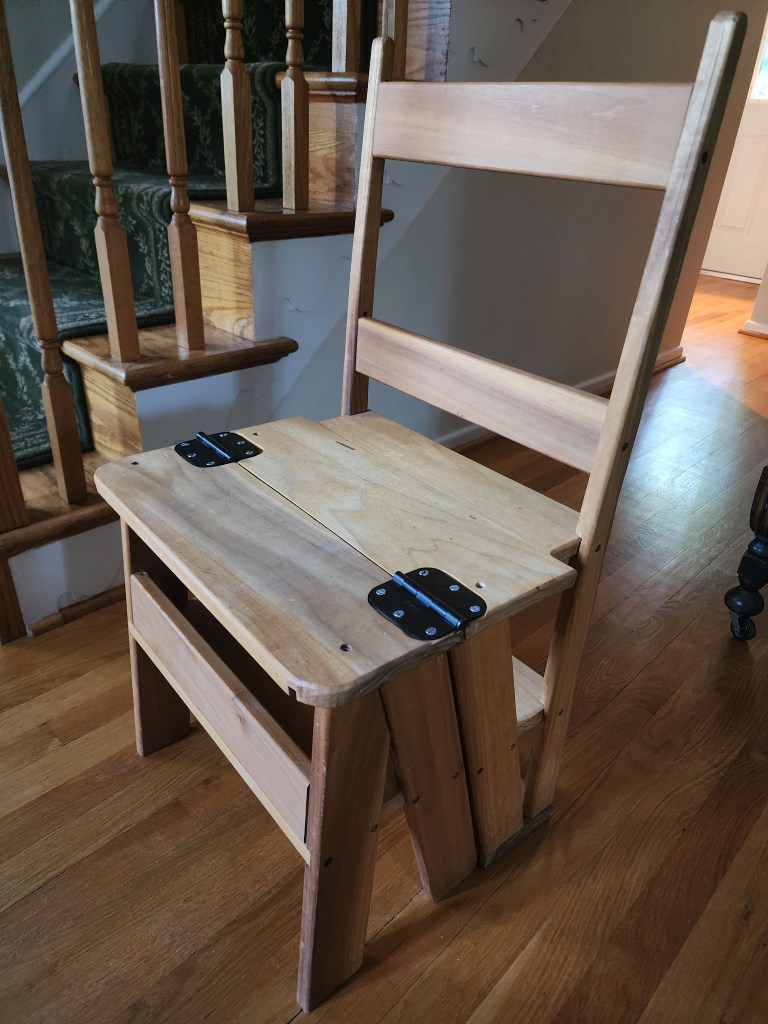
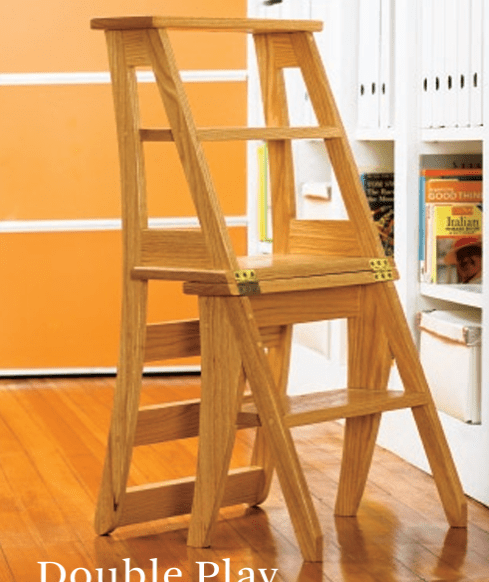
To illustrate the threshold problem, early in my woodworking career, I built a folding Ben Franklin chair for my mother. I chose the project based on the tools the plans required: jigsaw, circular saw and router. The resulting chair charmed my mother, but my critical eye still sees the flaws. Too many gaps during the routing, hinges chosen by price not design, the imperfect parts and a massive design change to help me in construction.
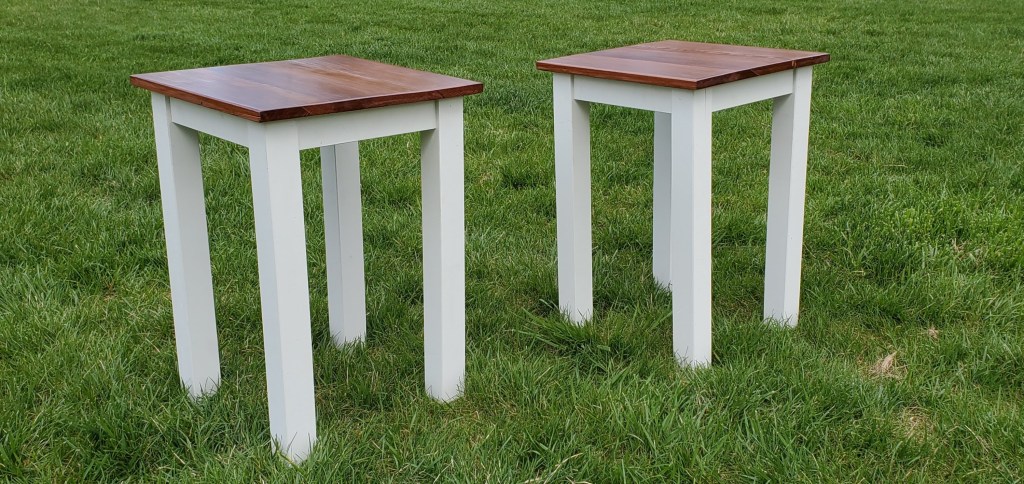
When I purchased my first table saw, I saw an immediate jump in the quality of my work – I crossed a threshold. My first nightstand built with that table saw represented a leap in my abilities. The nightstand has its design faults, but I was able to achieve something better because the table saw injected just enough oomph into my process to get me out of the world of 2x4s and 1x8s and into the world of rough sawn lumber.
The Threshold of Beginning: Striking a Spark & Keeping the Flame Alive
Every project begins with a spark – even if I end up woodworking in the dark. Clients, materials, machines, processes and objects have all sparked my work. To complete a project though, I need to turn the spark into motivation and will. For me, small successes during the process of fabrication create that motivation and willpower, that combination of factors some call discipline. Just like a 4-stroke engine, I need a series of small inputs – fuel, air and the spark – to keep going, otherwise progress stalls. AI lowers the amount of those inputs and improves my chances of success.
When something sparks my curiosity, I begin with research. In previous iterations of my research process, I needed access: mentors, libraries, tools, or knowledge networks in order to learn something at a deep level. Like the truth, I knew the knowledge was out there, I just often couldn’t find a way through the gate. I grew up in the 90’s and so I spent hours of my life page-surfing the encyclopedia and the written word. In college, I wandered the library and literary search engines looking for the perfect piece of evidence or quote for my wild ideas. The process was a struggle and my motivation and willpower gave in to deadlines long before I could flesh out my ideas. This slow process often produced uneven work; while the friction of my youth may have developed some of the muscles and discipline to work through a problem, it just as often, made the work conform to the limits of these constraints – just like my Ben Franklin chair years later.
With the advent of AI, my research flows far more naturally. Questions beget more questions – for example, a simple technical question such feeds and speeds for the CNC leads to troubleshooting code which leads to diving into different workholding techniques – while also allowing presenting the information in quickly digestible blocks of text, my preferred learning method. The links allow me to jump though the looking glass and digest the original sources to find a deeper, more complete answer. AI allows me to digest, verify, test and internalize new maker knowledge. AI compresses my research cycles and expands its boundaries, but doesn’t remove my judgement. Before, I was jellyfish floating through the ocean, aimless but growing. Now, I’m a shark. And there’s blood in the water.
In my work, four research inquiries reliably take my work to the next level.
- Archetypes & Forms (How does form invite function and vice versa?)
- Vocabulary & Grammar (How can I describe this project in ways that unlock a better understanding?)
- Processes, Standards & Parameters (How do I build this thing? What rules should I follow in its design? What tolerances are necessary for success?)
- Failure Modes & Pressure Points (How will I screw this up? How does this plan normally blow up? What am I not considering?)
The Threshold of Clients: Mockups Before Prototypes
As my practice became more client-facing, I hit a familiar wall. While I could build anything with my hands, I struggled to communicate my design while it still lived in my head. Physical sketches often lacked information that mattered, while even “quick” mockups ate up valuable time. Sometimes it’s just enough time to extinguish the momentum for either the maker or the client.
I often use AI to muscle through multiple iterations of mockups at a pace I struggle to match with more traditional software and workflows – especially during the delicate time as the client and I grapple with what the project will become. In this stage, the AI becomes a candle to see, not the painting on the cave walls. The danger lies hidden in the shadows – what we forget to look for.
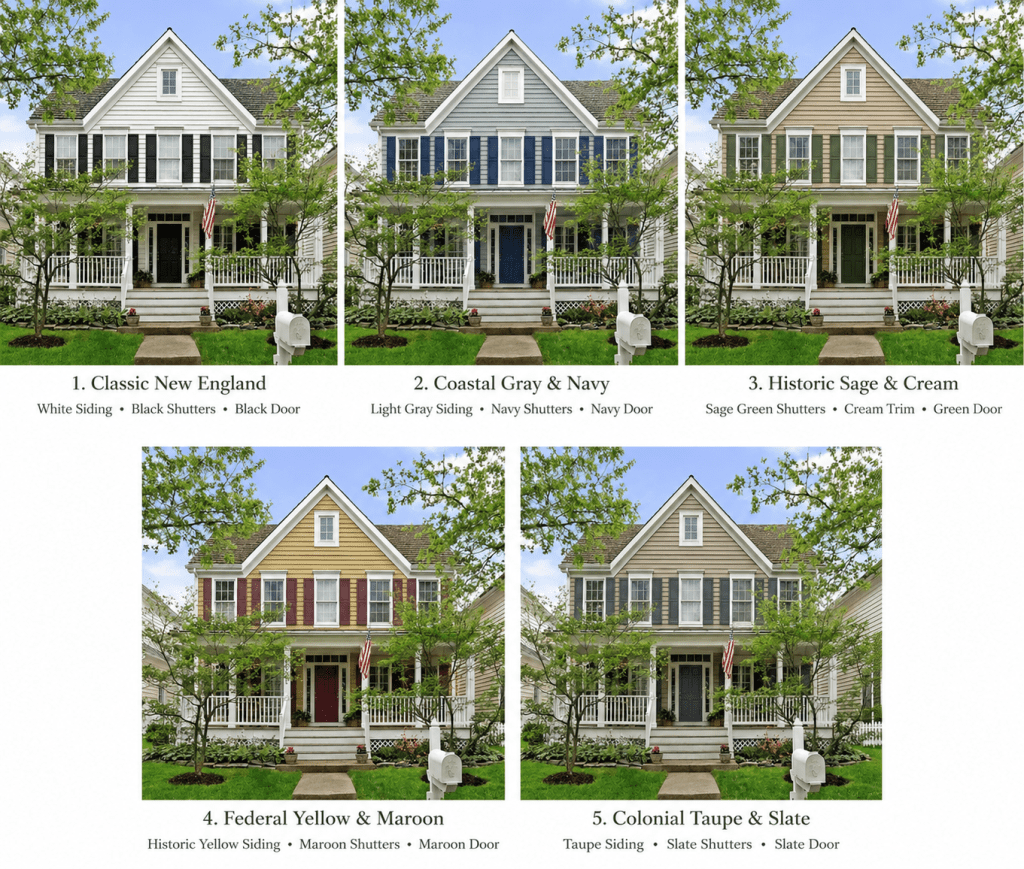
My most consistent client, my spouse, needs lots of visuals and communication before agreeing to a project. Recently we needed to refresh our house’s exterior. I prompted AI to mock up the house with several common color schemes pre- approved by our hyperlocal regulatory microstate enforced by pickleball enthusiasts. The mockups allowed me to spend the time where it really mattered: talking about what we wanted in the refresh and how to achieve it. That communication was the real work – not generating a perfect mockup.
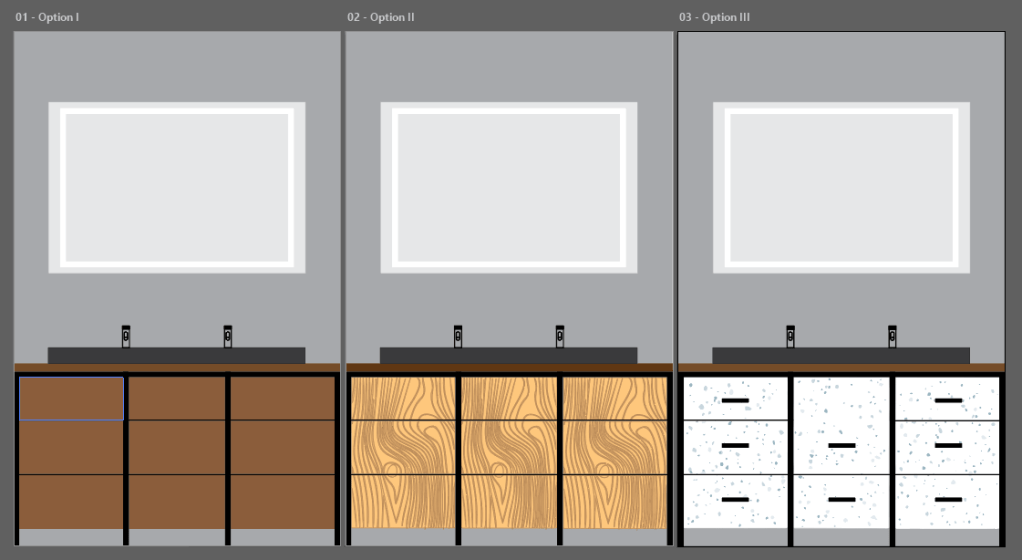
I can do polish, as the two mockups in Illustrator and Onshape show below. The polish is more effective for my process after my ideas have transformed into a rough visual language for others. But for the DIY’er, hobbyist or early-stage career-switcher like me, the dual drag of costs and skill can destroy momentum. The old tools still do the real work. AI just conserves my momentum through good-enough iterations to get feedback, make decisions and get making.
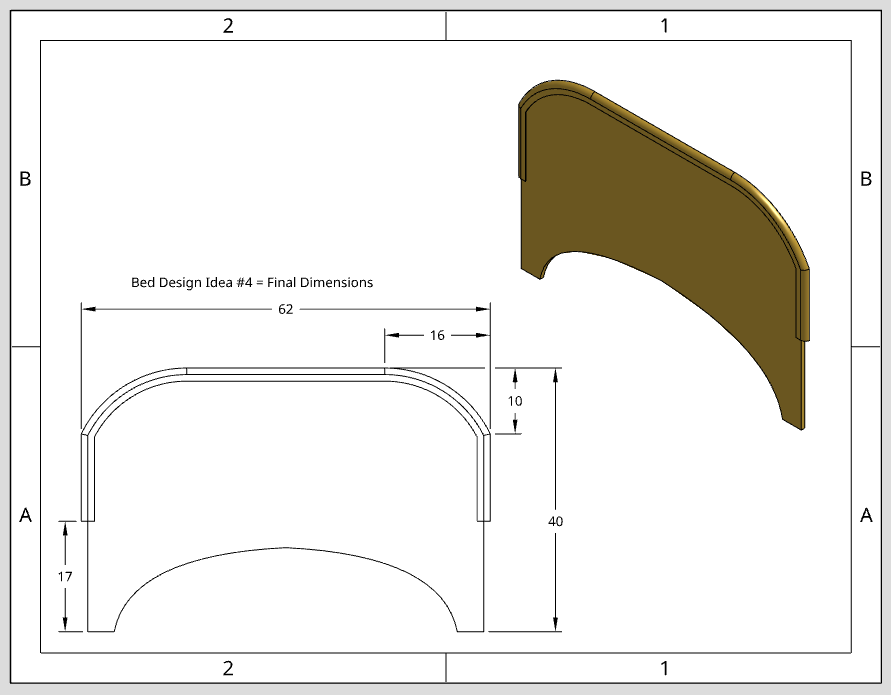
There’s a catch with AI – the visuals can anchor a client (or worse, me!) to a particular aesthetic, generate impossible or poor proportions and mismatch colors. Without a critical and discerning eye, reliance on AI can inhibit communication with clients as much as help. So, as best I can, I intentionally use the AI as my sketchbook, not the hand that holds the pen.
The Threshold of Institutions: Shop Floor to Corporate Office
A perfectly applied finish on a mahogany table or carefully constructed class contains its own pleasure, but I make, teach and write to connect with the world around me. The exact reasons why I’m fantastic in the shop or classroom – my humor, my use of analogies and metaphors, my wordiness – get in the way when I communicate to clients, customers, administrators, and managers who live and work outside the shop while often holding the decision-making power to stall or green-light a project inside the shop.
I earned the best parts of myself the hard way. In college, I studied creative writing. Here, I developed my own voice. As a teacher, I learned to leverage that unique voice to explain concepts to students in a personal, interesting way. Yet when I moved into roles requiring more professional, corporate tone and language, I simply did not have the mindset, language or feedback loops necessary to turn a proposal into sawdust and cash. That pesky threshold problem presented itself again – this time in how I market the thing, not make it. I spent years learning how to ideate, create and explain on command under a time crunch to an audience hungry for connection. Now, my audience changed and I needed a translator. I needed my written word to code-switch, quickly and just-good-enough, into formal corporate language. My paycheck depended on it. For years, despite trying and failing and trying again, I couldn’t get signatures and scheduled programming. I needed a different tactic and a new tool to get the results I wanted.
Now, the AI acts as my translator from shop-talk to corporate-speak. Notes, bullet points and irreverent references to Bruce Springsteen songs become fleshed out sentences and blurbs with clear, consistent formatting written for an audience with very little time or inclination to engage with my idea. AI helps me move proposals from verbal brainstorms and explorations with the client and my own team to signed contracts and approved programs in institutional settings. Most importantly, the decision-makers in my orbit have begun putting cash, time and sweat equity into my ideas.
Below, I track the progression from my brainstorming notes into a proposal and soon-to-be delivered workshop. I consider teaching this workshop my white whale; the proposal is just the harpoon. Unlike other similar offers for similar training earlier in my career, this time I harpooned the white whale and brought him in. The difference was using AI to quickly package my ideas in a clear, comprehensible way for non-sailors and non-teachers alike. I didn’t need to practice sailing, I just needed a sharper harpoon.
(Pre-AI, Notes on CTE Training):Issue:
Teachers entering CTE (Career and Technical Education) often lack fabrication experience – safety and quality suffers.
School district needs more than tool specific training; pedagogical, classroom structure, management (project breakdown, project demonstrations, jigs/fixtures, classroom roles, etc)
Proposed Solution:
Offer training to new/intermediate teachers in:
- Fabrication – woodworking specifically
- Machine safety
- Pedagogy – logistics and technology of teaching woodworking and process of fabrication
Logistics: Multiple days/two sessions per day, rotate cohorts of 10
(With AI, Audience: Administrators & Teachers) Fabrication Training for CTE Teachers:
A single 8-hour intensive that builds confidence on core woodworking machines while also helping teachers translate shop skills into classroom-ready projects. The day is split between hands-on machine training in the woodshop (bandsaw, table saw, miter saw, jointer, plus demos of drill press, drum sander, planer, and air nailers) and a facilitated design-thinking workshop focused on materials literacy and rapid curriculum prototyping in grade-level cohorts.
Of course, I notice (and grieve) how my voice is stripped away and replaced with the anodyne malarkey of corporate-speak ready for easy digestion by the client or manager. I’ve resisted for years the pressure to be complicit in compromising my voice for the simple making of a product. The AI lowers the threshold just enough to get the proposal to the finish line and me back to doing what I do best – making, writing and teaching in the shop and classroom.
Professional language reminds me of my high school German – I can read it at a far higher degree of fluency than speak or write it. AI takes rough-and-ready ideas and language – ideas and language with its own beauty, purpose and value, mind you – and refines the lines, softens the edges, sharpens the focus and translates my intentions to unfamiliar audiences without forcing me to assimilate my hard-won voice into corporate culture. The tone and register on the page may change with AI, but my values and intent remain in the classroom and shop floor.
The Threshold of Execution: Into the Cave
Now, we’ll travel into more and more problematic uses of AI. In the previous examples, I clearly kept my hand on the tools of fabrication and design choices. In the next examples, I more and more use AI to substitute and augment my own skillset, risking my authorship and atrophying my developing skills.
Every maker has a skill gap across the various disciplines fabrication employs. As a maker who never took an art class since middle school, understanding the visual composition and language of design has been a block for many years. Smart use of AI helps me move from idea to object without getting stuck. I may be able to see the faint cave painting, but the shadows get thick.
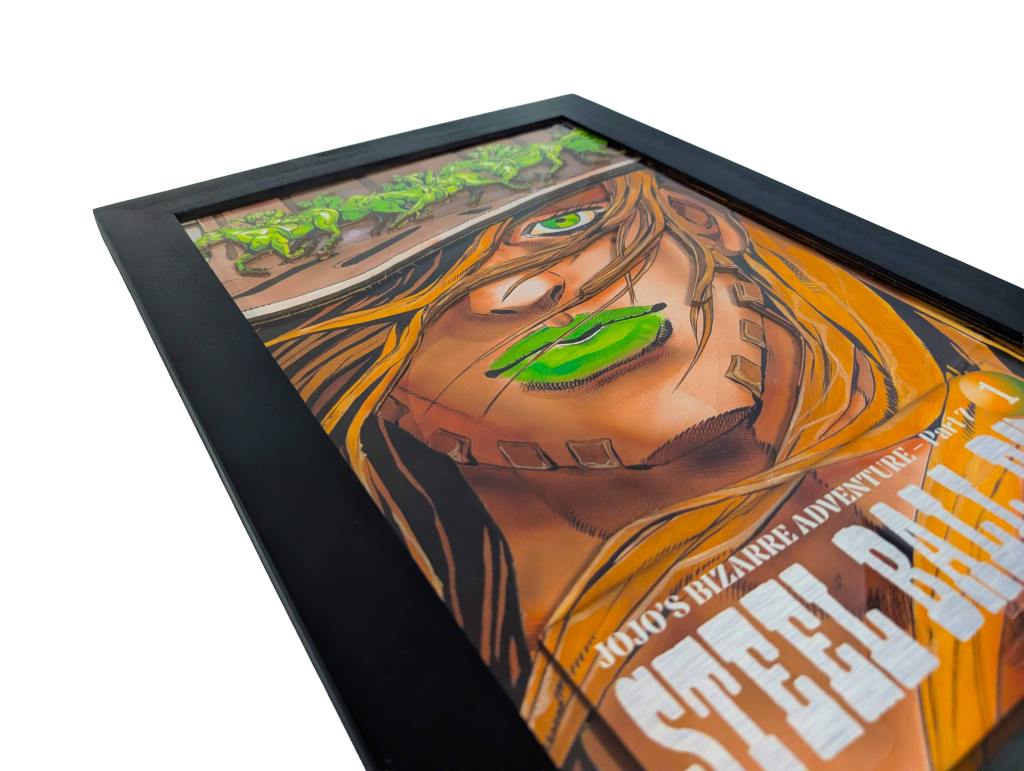
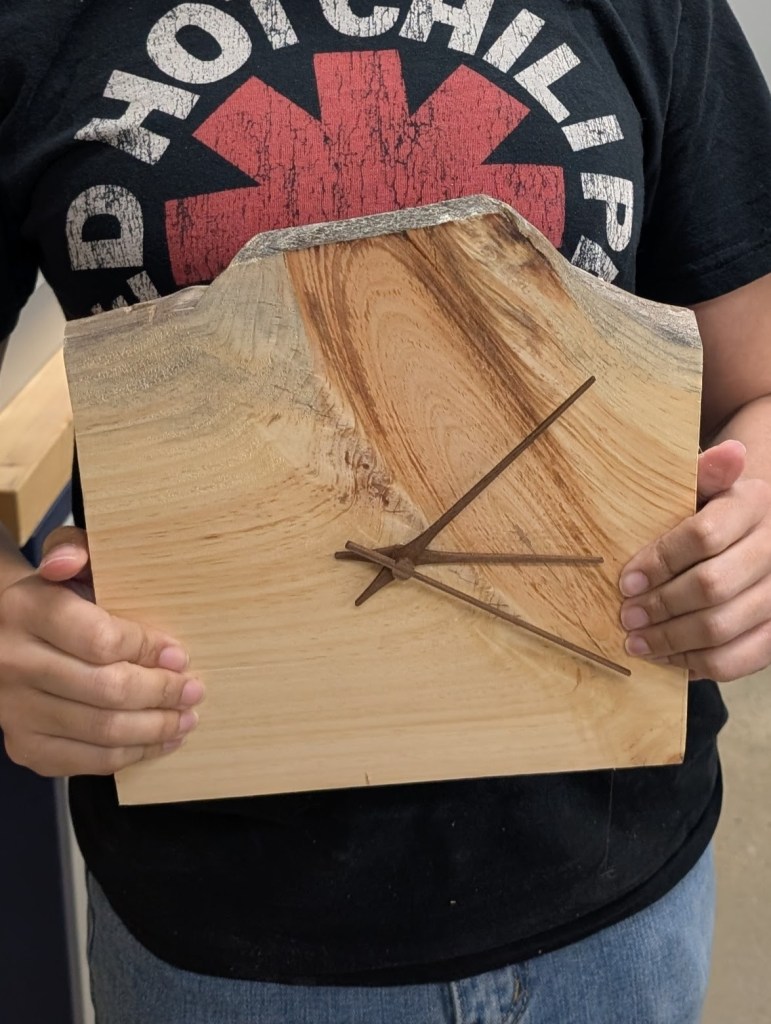
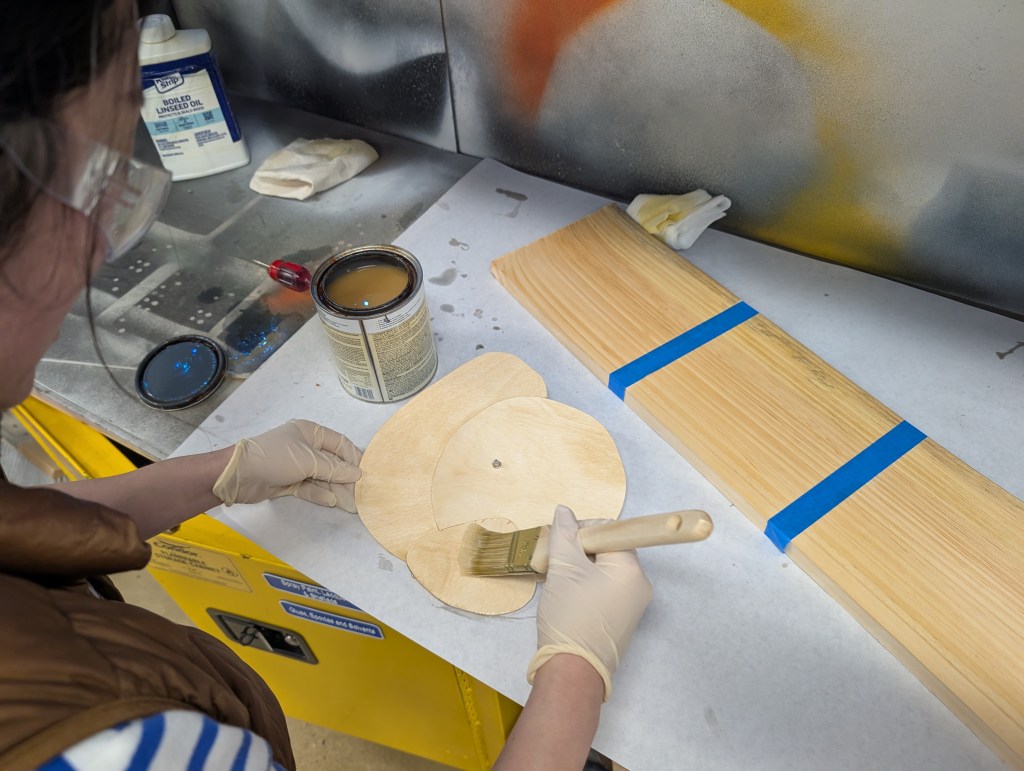
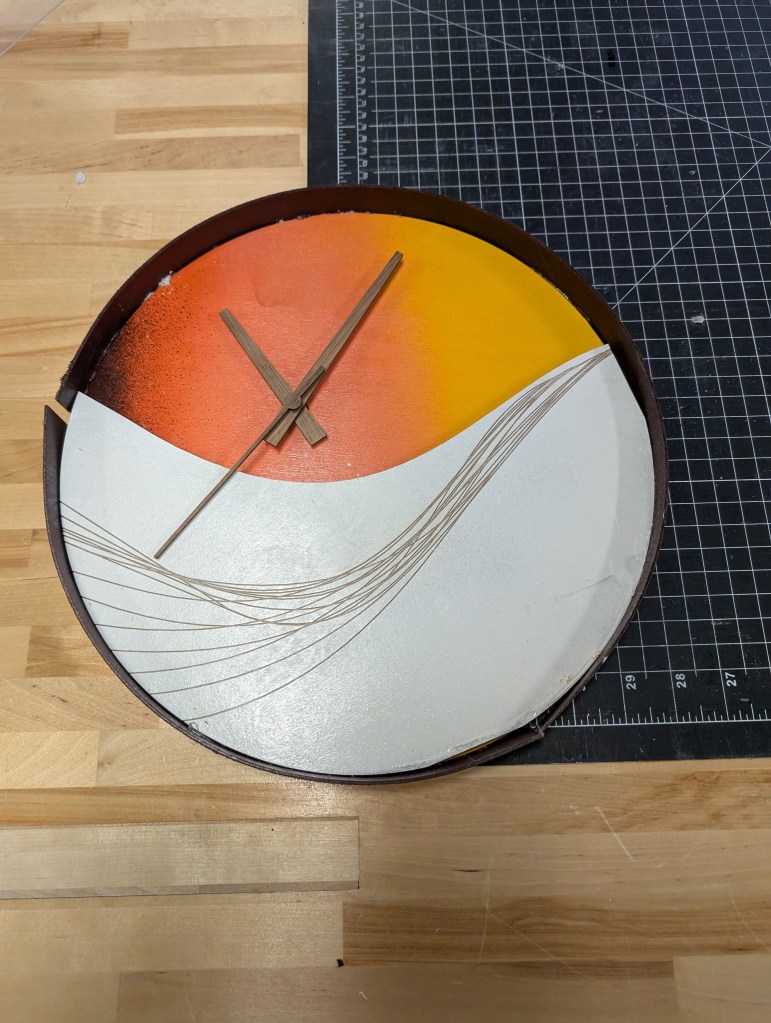
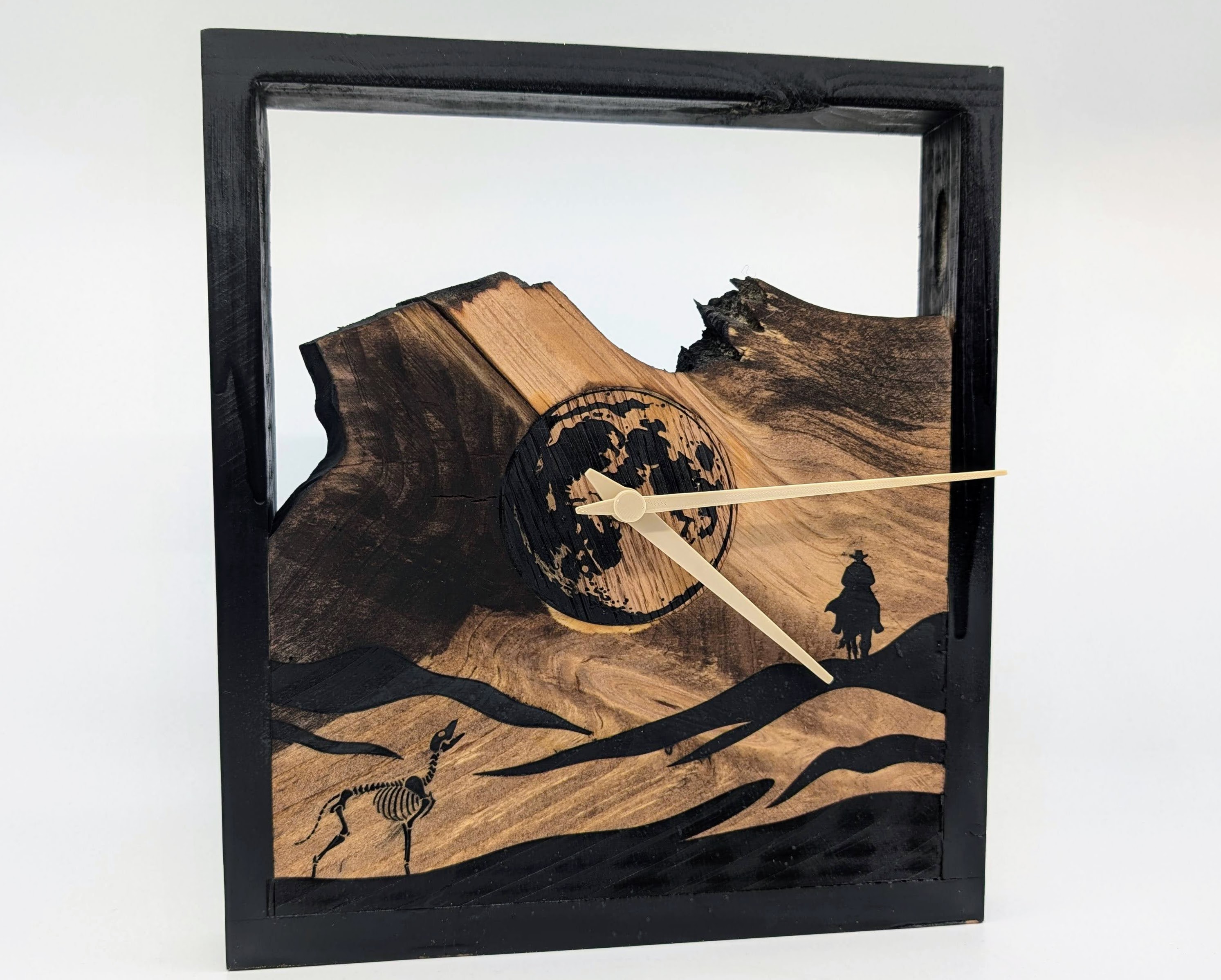
In the project below, AI was instrumental in moving the work from idea to object. This wall clock was the working prototype for tool training at an educational makerspace. Students could create wall clocks consisting of a wood frame and plywood tops. I wanted to incorporate the organic shapes and colors of wood, but bright yellow of pine didn’t really excite me. I wanted something with more visual oomph. Inspired by American Western literature, I prompted AI to create a desert scene with the horse rider and canine skeleton.
The real work was understanding the shadows. The image required serious refinement. I needed to tweak the prompt and used my vector graphic skillset to move the rider around, create the moon and arrange the elements as I wanted. I lowered the nodes, smoothed the curves and scaled the work to fit the stock. Lastly, I chose the section of pine slab to represent a mountain and stain to match the vibe.
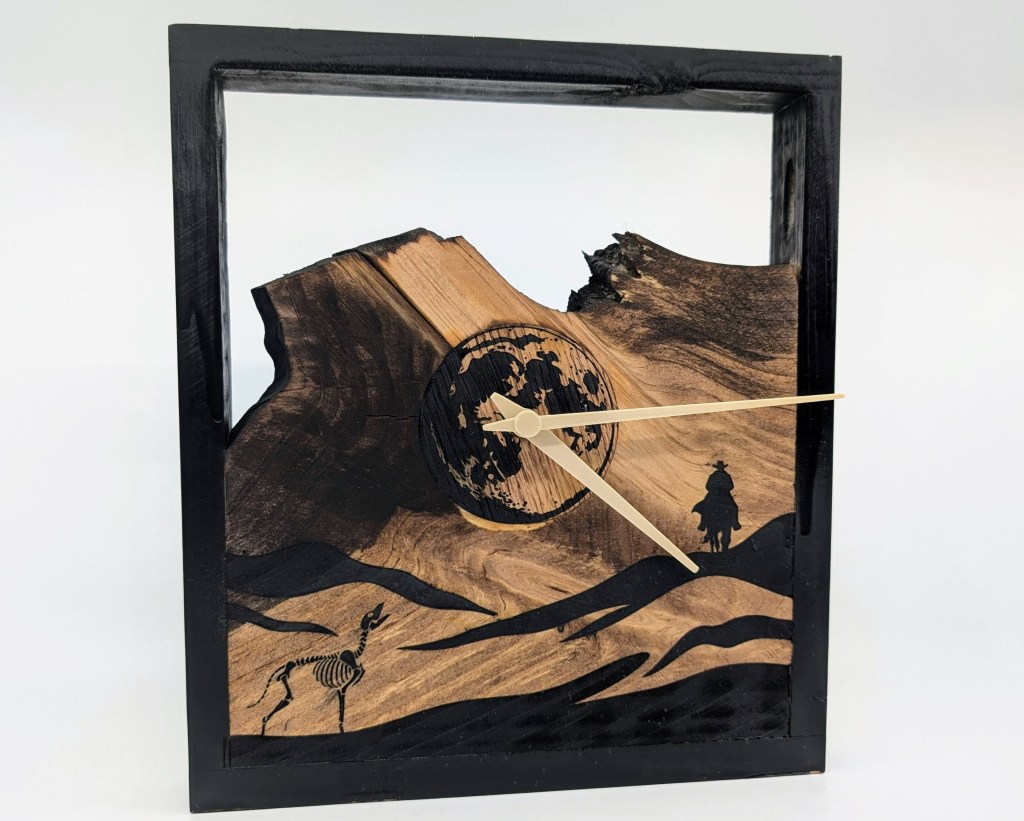
The students took the inspiration and ran with it. Some liked the slab look, some took inspiration from the vector lines, some created multi-layered constructions with organic shapes. AI took a visual, inchoate idea and gave me just enough geometry to inspire the next move.
The Threshold of Prototypes: Forging Collaboration and Connection
Computer science (and coding) has always been a bit of a black box for me. I can certainly create games in visual languages such as Scratch, comfortable reading Python and JavaScript, and have put together Arduino based robots and kits, but creating software, tools and machines based on my personal ideas and prompts has been a stumbling block. In my sleep, I build machines, some even needing software. But no one truly ever wanted to hear about my dreams. I didn’t need a team, a pitch deck, black turtleneck or road map – I just needed a prototype to see what worked. Enter my vibe coding era.
Vibe coding allows for the jump (and not just for me) from idea to operational prototype. In my experience, vibe coding isn’t plug and play – I’ve worked in Python, JavaScript and HTML through Claude, ChatGPT and Notion and none of the code produced worked on the first go-round. It takes a good amount of troubleshooting, some coding knowledge, time and sometimes a few dollars to make everything work consistently. I am happy with the results: real programs that perform the real tasks I need them to perform.
Fabrication, no matter what the process, material or product, often requires unique solutions to unique challenges. Vibe-coding, by lowering the threshold from coding to finished product, allows a maker to develop custom digital tools for custom needs.
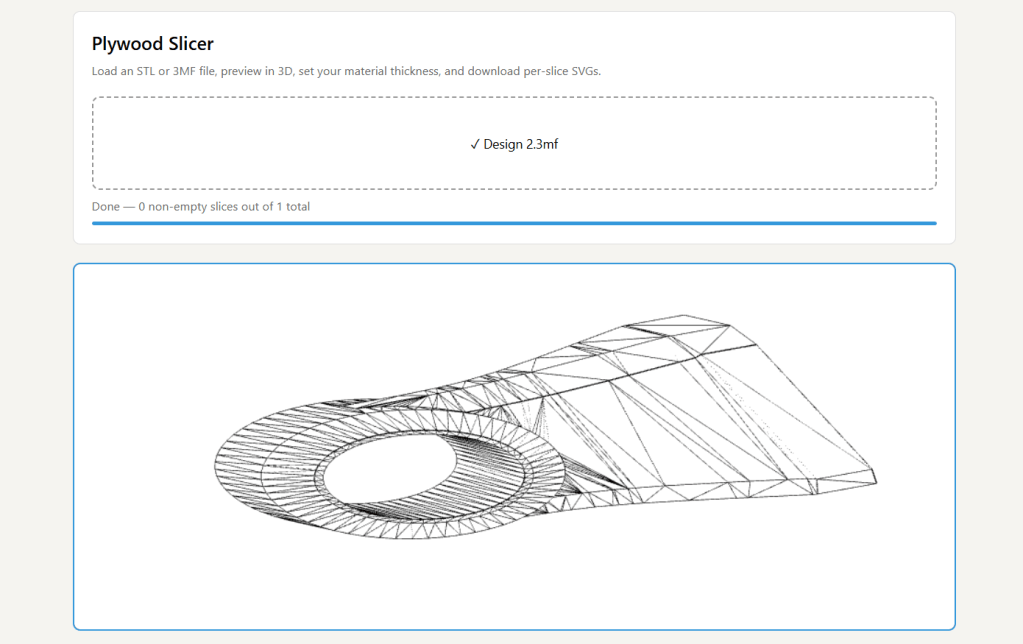
For example, I have always dreamed of creating large scale sculptures but often have stalled out due to various skills and knowledge gaps, such as how to CAD organic shapes and how to easily turn those shapes into physical objects. 123D Make was a program developed in the early aughts which could slice meshes into thick layers, such as 1/8th in, then exports those slices as SVGs for use in a laser cutter or plasma cutter. Unfortunately, Autodesk abandoned the software in 2017 and split the feature set between a variety of products and behind several paywalls. With AI, I successfully replicated several core features of the program so I can create a large scale sculpture.
The benefits didn’t stop there. I took my rudimentary prototype and showed it to other makers, makers with real expertise in computer science. Those makers suggested various improvements, turning a personal project into a collaborative effort. The more I study how things get made and get done, the more I find that big, interesting projects don’t happen by happenstance – they happen by deliberate collaboration. Just like when I delivered an AI-augmented wall clock or AI-translated proposal, AI was the tool needed to lower the activation energy necessary to get my idea from in my head to my hands and most importantly, over to collaborators so the idea could grow.
You can try the Plywood Slicer here!
Stepping Over Threshold with AI: It’s Thresholds All The Way Down
Thresholds change as a maker grows. I once got stuck moving from an idea or sketch to viable process. Then, I got stuck executing the craft. Now, the threshold has moved to the middle of the process, hidden between in details of taste and design – the precious alchemy of materials, forms and processes that evoke emotion and connection between myself and others.
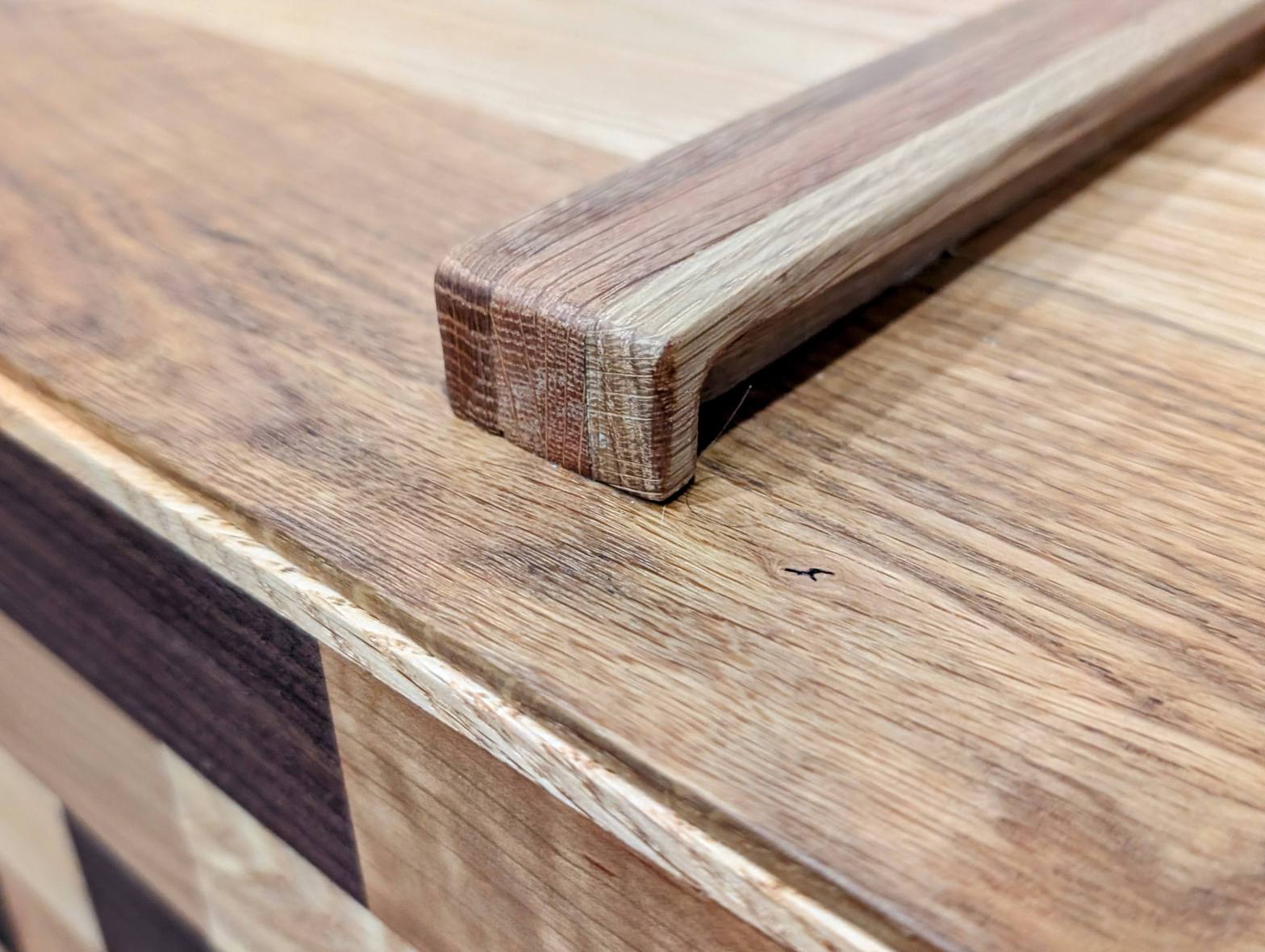
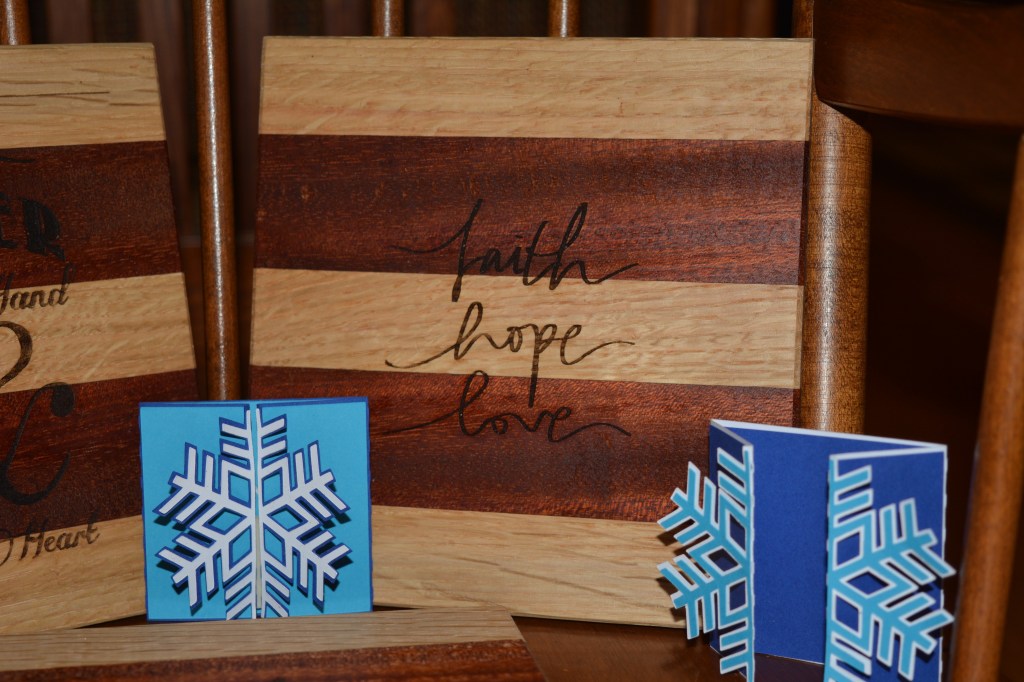
As I’ve described, my process begins with the spark. The spark often drives the objective of my project and the series of choices I take on the journey to completion. Early in my craft, those choices were instinctual and driven primarily by my skill, tool and material access. Now, I am much more intentional, open and deliberate in my choices. I choose my materials, finishes, forms and processes to express my vision rather than my product expressing unseen constraints. My proof is in the work. Contrast the trivet from my early days with a recent cutting board. I’m happy to see the improvement. I just wish it didn’t take so long to get there.
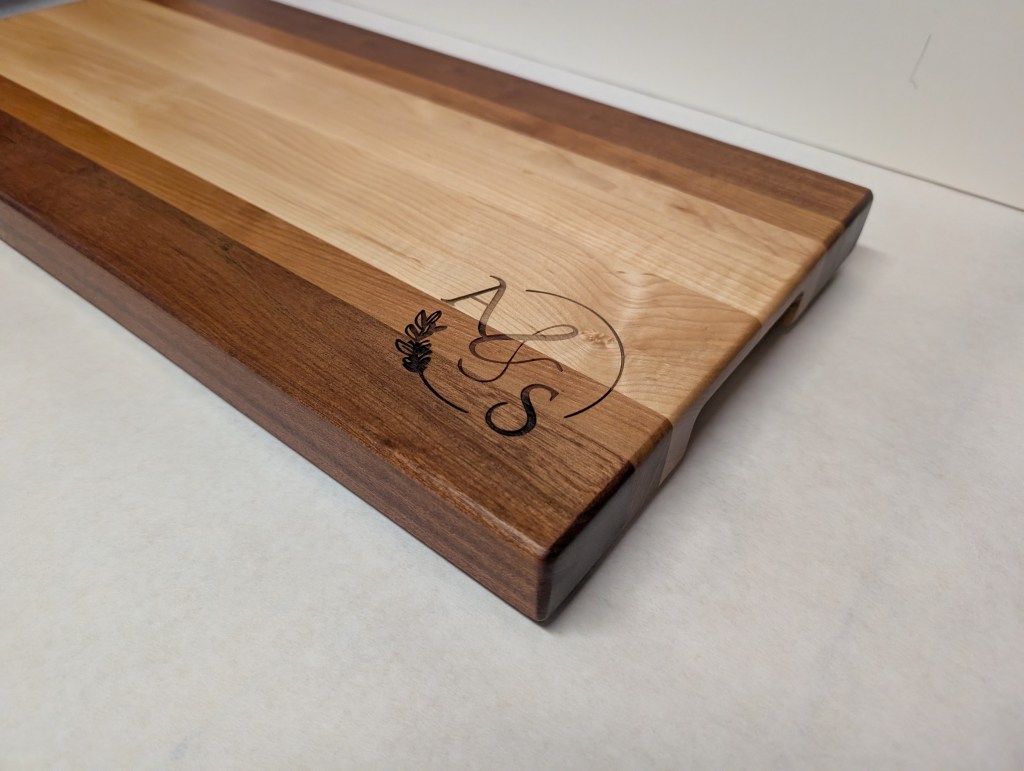
Incorporating AI into my maker process has felt a lot like incorporating my first table saw into my workshop. It took up lots of space. The machine bristled with danger, so I used it sparingly at first. It took some practice before I could make the tool sing.
Most importantly, it made making furniture easier for me and the result more legitimate for my intended audience. The Ben Franklin chair told a story of a maker experimenting and learning. The nightstand, on the other hand, earned its place at the side of the bed. It didn’t need a mother’s relationship with her son to be loved. It just was.
AI works like the table saw in my workshop. It does not make me a furniture maker or even a designer. It just helps me move across the threshold from my head, heart and hands into the space between myself and the audience. In the end, it is just a tool. My skill, craft and intentions determine the result.
Lowering the threshold with any tool or technology comes with unintended consequences. Digital tools and CNC technology removes certain hand skills from fabrication. Mentors can help move an idea to completion, but also imprint their own habits and judgement in place of the maker’s. Institutions fund and legitimize a maker’s efforts but often erase our fingerprints and tool marks.
Without understanding the connection between your skill, your intent and your voice, and a holistic integration of each component into yourself and then to the audience, a maker can’t become the best version of the maker they want to be. This is the mindset I try to cultivate in the shop – integrating what works on the workbench, the feedback from collaborators that sustains my soul and a new focus on getting the project into the hands my audience.
AI certainly lowers the activation energy needed to produce a piece of work, but relying on it without a the critical eye and wisdom of real-life experience and struggle lowers your maker’s ceiling, just like trying to cut a straight line using a handsaw without a hand plane or rule only creates frustration and broken joinery.
Making – and least the way I do it – is a high wire act of service and connection to the world, with lessons sometimes written in blood and silence. But I continue to make none-the-less.

